OMNIgene.GUT Kit: The Complete Guide to Fecal Microbiome Stabilization for Research & Drug Development
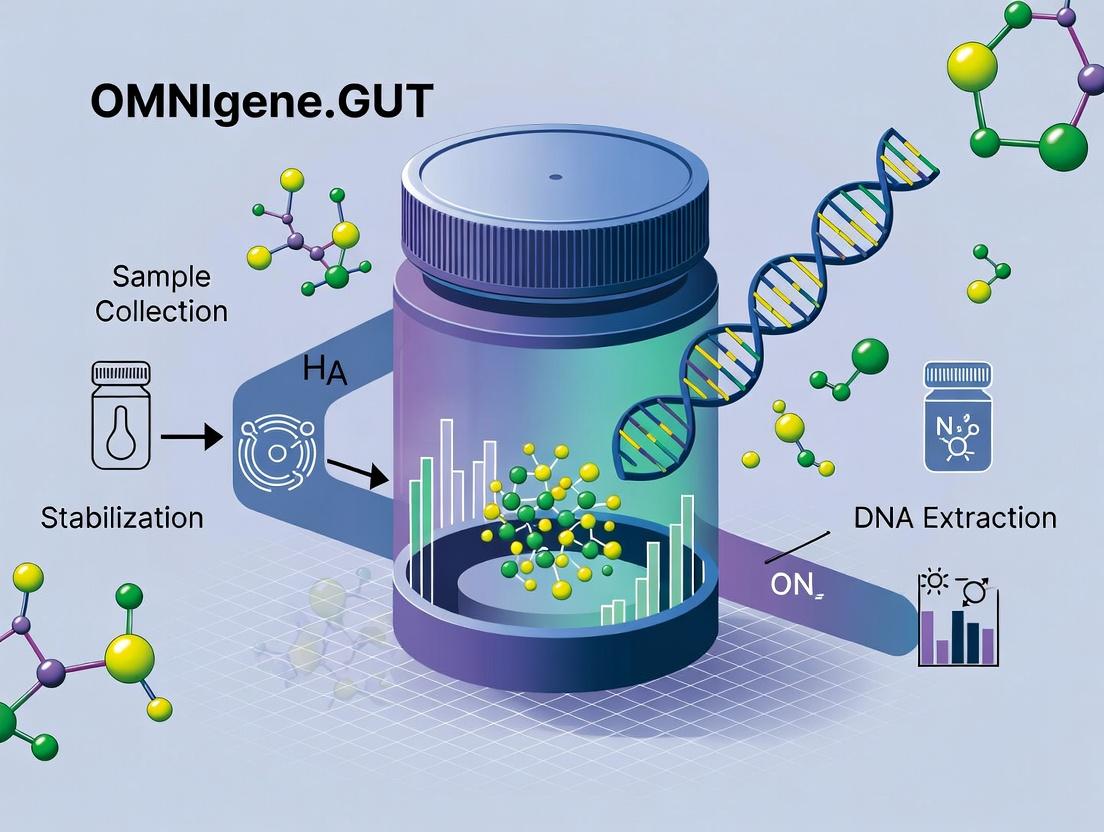
This comprehensive guide details the OMNIgene.GUT kit for fecal sample collection and stabilization.
OMNIgene.GUT Kit: The Complete Guide to Fecal Microbiome Stabilization for Research & Drug Development
Abstract
This comprehensive guide details the OMNIgene.GUT kit for fecal sample collection and stabilization. It explores the foundational science behind microbial nucleic acid preservation, provides step-by-step methodological protocols for researchers and drug development teams, offers troubleshooting and optimization strategies for reliable data, and presents validation studies comparing its performance to alternative methods. The article aims to equip scientists with the knowledge to implement robust, standardized gut microbiome sampling in their workflows.
Why Stabilization Matters: The Science Behind Preserving the Gut Microbiome with OMNIgene.GUT
1. Introduction
Accurate gut microbiome profiling is fundamentally compromised by rapid shifts in microbial composition and nucleic acid integrity post-defecation. Within minutes at room temperature, oxygen exposure and changing physicochemical conditions induce bacterial cell lysis and enzymatic degradation, skewing relative abundances. This pre-analytical variability poses a significant challenge for reproducibility in research and clinical diagnostics. This document, framed within a broader thesis on the OMNIgene.GUT kit, details the quantitative evidence of this degradation and provides standardized protocols for its mitigation through chemical stabilization.
2. Quantitative Evidence of Pre-Analytical Degradation
The following table summarizes key findings from recent studies on the impact of time and temperature on fecal sample integrity prior to stabilization.
Table 1: Impact of Pre-Stabilization Delay on Fecal Microbiome Composition
| Condition | Key Metric Change | Reported Magnitude of Change | Primary Consequences |
|---|---|---|---|
| Room Temp (22-25°C), 24h | Increase in Proteobacteria (e.g., Escherichia/Shigella) | +200% to +500% relative abundance | False signal of dysbiosis, overgrowth of facultative anaerobes. |
| Room Temp (22-25°C), 24h | Decrease in Anaerobes (e.g., Clostridia, Bacteroides) | -30% to -70% relative abundance | Underestimation of core commensal taxa, loss of diversity. |
| 4°C, 24h | Shift in community structure | Significant beta-diversity divergence (PERMANOVA p<0.05) | Reduced comparability between samples. |
| -80°C (No Stabilizer), after freeze-thaw | DNA yield and quality | Reduction in high-molecular-weight DNA; increased shearing. | Bias against Gram-positive bacteria, PCR artifacts. |
| Immediate stabilization (e.g., OMNIgene.GUT) | Community preservation | <5% change in primary taxa vs. fresh-frozen reference | High fidelity to in vivo state. |
3. Detailed Experimental Protocols
Protocol 3.1: Comparative Stability Study of Preservation Methods
- Objective: To evaluate the efficacy of the OMNIgene.GUT stabilizer against common preservation methods across simulated shipping delays.
- Materials: Fresh fecal sample, OMNIgene.GUT tube, 95% Ethanol, RNAlater, sterile cryovial (for fresh-frozen control), DNA extraction kit, 16S rRNA gene sequencing platform.
- Procedure:
- Homogenize a fresh fecal sample under anaerobic conditions (glove box).
- Aliquot ~100 mg of feces into five conditions:
- T0 Control: Immediate DNA extraction.
- OMNIgene.GUT: Mix with 2ml stabilizer, store at room temperature (RT).
- 95% Ethanol: Mix with 2ml ethanol, store at RT.
- RNAlater: Mix with 2ml reagent, store at RT.
- Unstabilized: Place in empty tube, store at RT.
- Hold all samples (except T0) for 72 hours at RT to simulate a shipping delay.
- After 72h, process all samples with an identical bead-beating and column-based DNA extraction protocol.
- Quantify DNA yield and quality (A260/280, A260/230).
- Perform 16S rRNA gene amplicon sequencing (V3-V4 region) on all samples in a single sequencing run to avoid batch effects.
- Analyze data: Compare alpha-diversity (Shannon Index), beta-diversity (PCoA of Bray-Curtis dissimilarity), and relative abundance of key taxa (e.g., Bacteroidetes/Firmicutes ratio) across conditions, using T0 as the reference.
Protocol 3.2: Assessment of RNA Integrity for Metatranscriptomics
- Objective: To determine the preservation of labile microbial mRNA using different collection buffers.
- Materials: Fresh fecal sample, OMNIgene.GUT tube, specialized RNA stabilizer (e.g., RNAlater), PAXgene Tissue system.
- Procedure:
- Aliquot fresh fecal material into stabilization buffers as per Protocol 3.1, with a focus on RNA-preserving reagents.
- After a 48-hour RT incubation, extract total nucleic acids.
- Treat with DNase I to remove genomic DNA.
- Assess RNA integrity via Bioanalyzer or TapeStation (RNA Integrity Number equivalent, RINe).
- Perform reverse transcription and quantitative PCR (RT-qPCR) for a constitutively expressed housekeeping gene (e.g., rpoB) and a labile metabolic gene to compare preservative efficacy.
4. Visualizations
5. The Scientist's Toolkit: Key Research Reagent Solutions
Table 2: Essential Materials for Fecal Sample Stabilization Research
| Item | Function & Rationale |
|---|---|
| OMNIgene.GUT Collection Kit | All-in-one system for fecal collection, stabilization, and homogenization. Inactivates nucleases and stabilizes microbial composition at room temperature for up to 60 days. |
| Anaerobic Chamber/Workstation | Provides an oxygen-free environment for initial sample homogenization and aliquoting to establish a true "time-zero" baseline. |
| Bead-Beating Lysis Kit (e.g., with 0.1mm beads) | Essential for mechanical disruption of tough Gram-positive bacterial cell walls to ensure unbiased DNA yield. |
| DNA/RNA Co-Extraction Kit | Allows for parallel analysis of genomic DNA (for 16S/metagenomics) and RNA (for metatranscriptomics) from a single stabilized sample. |
| Fluorometric DNA/RNA Quantitation Assay | More accurate than UV spectrophotometry for quantifying nucleic acids from complex samples, as it is unaffected by common contaminants. |
| Bioanalyzer/TapeStation System | Provides electrophoretic assessment of nucleic acid integrity (e.g., DNA fragment size, RINe for RNA), critical for evaluating preservation quality. |
| Stable Isotope-Labeled Internal Standards (Spike-Ins) | Synthetic microbial cells or DNA/RNA sequences added to the sample post-collection to quantify and correct for technical biases introduced during extraction and sequencing. |
Application Note: OMNIgene.GUT Stabilization Performance
OMNIgene.GUT is a fecal collection and stabilization system designed to maintain microbial composition and nucleic acid integrity at ambient temperatures. The core technology is a chemical stabilization solution that inactivates microbes and nucleases upon contact, halting biochemical activity and preserving the sample's molecular profile from the point of collection.
Table 1: Comparative Stability of Microbial Composition (Relative Abundance)
| Condition / Time Point | 0 Days (Baseline) | 7 Days at Ambient (OMNIgene.GUT) | 48 Hours at 4°C (Untreated) |
|---|---|---|---|
| Firmicutes/Bacteroidetes Ratio | 2.1 ± 0.3 | 2.2 ± 0.4 | 3.8 ± 1.1 |
| Key Taxon (e.g., Faecalibacterium) | 8.5% ± 1.2% | 8.3% ± 1.0% | 5.1% ± 2.3% |
| Community-Wide Similarity (Bray-Curtis) | 100% (Reference) | 98.5% ± 0.7% | 89.2% ± 4.5% |
Table 2: Nucleic Acid Yield and Integrity Metrics
| Stabilization Method | Total DNA Yield (μg per 100 mg sample) | DNA Purity (A260/A280) | RNA Integrity Number (RIN) Equivalent* |
|---|---|---|---|
| OMNIgene.GUT (7 days ambient) | 4.5 ± 0.8 | 1.85 ± 0.05 | 6.5 ± 0.5 |
| Flash-Freezing (-80°C, immediate) | 5.0 ± 1.0 | 1.90 ± 0.10 | 7.0 ± 0.8 |
| No Stabilizer (48h, 4°C) | 3.0 ± 1.5 | 1.70 ± 0.30 | 2.5 ± 1.2 |
*Assessed via microbial RNA fragment distribution analysis.
Protocol: Evaluating Microbial Community Stability with OMNIgene.GUT
Objective: To assess the preservation of fecal microbial community structure in OMNIgene.GUT compared to fresh-frozen control samples over time at ambient temperature.
Materials:
- Fresh fecal specimen
- OMNIgene.GUT collection tubes (DNA Genotek)
- Sterile spatulas and weigh boats
- -80°C freezer (for control aliquots)
- DNA extraction kit (e.g., QIAamp PowerFecal Pro DNA Kit)
- Equipment for 16S rRNA gene amplicon sequencing (PCR, sequencer)
Procedure:
- Sample Homogenization & Aliquoting: Homogenize the fresh fecal sample thoroughly. Create two matched sets of aliquots (~100 mg each).
- Stabilization: For the test set, immediately add each aliquot to an OMNIgene.GUT tube, secure the lid, and shake vigorously for 30 seconds. Store at room temperature (20-25°C).
- Control Preparation: For the fresh-frozen control set, immediately place aliquots into cryovials and freeze at -80°C.
- Time-Point Sampling: Process OMNIgene.GUT-stabilized samples at defined time points (e.g., Day 0, Day 3, Day 7). For each time point, proceed to DNA extraction directly from the OMNIgene.GUT tube according to the manufacturer's protocol. Extract DNA from the -80°C controls in parallel.
- Downstream Analysis: Perform 16S rRNA gene (V4 region) amplification and sequencing on all extracted DNA samples using a standardized pipeline (e.g., Illumina MiSeq, 2x250 bp). Analyze data using QIIME 2 or similar for alpha-diversity, beta-diversity (Bray-Curtis), and taxonomic composition.
Protocol: Quantifying Nucleic Acid Preservation
Objective: To measure the yield, purity, and fragment size distribution of DNA and RNA recovered from OMNIgene.GUT-stabilized samples.
Materials:
- OMNIgene.GUT-stabilized fecal sample
- Compatible nucleic acid extraction kits (e.g., OMNIgene.GUT DNA/RNA co-isolation protocol or separate dedicated kits)
- Spectrophotometer/Nanodrop
- Fluorometer (Qubit with dsDNA/RNA HS Assay Kits)
- Bioanalyzer or TapeStation (Agilent) with relevant kits (e.g., DNA HS, RNA HS)
Procedure:
- Extraction: Extract total nucleic acids from 200 μL of OMNIgene.GUT homogenate following the manufacturer's recommended protocol, which includes a bead-beating step for mechanical lysis.
- Elution: Elute in a low-EDTA TE buffer or nuclease-free water.
- Quantification & Purity: Measure DNA/RNA concentration using a fluorometer for accuracy. Assess protein/phenol contamination by measuring A260/A280 and A260/A230 ratios via spectrophotometry.
- Integrity Analysis: For DNA, run 1 μL of extract on a High Sensitivity DNA chip to visualize fragment size distribution and detect degradation. For RNA, use a High Sensitivity RNA chip to generate an electropherogram and calculate an RIN-like score based on prokaryotic ribosomal RNA peaks (23S, 16S).
Visualization: OMNIgene.GUT Stabilization Mechanism
Title: Mechanism of Fecal Sample Stabilization by OMNIgene.GUT
Visualization: Experimental Workflow for Validation
Title: Validation Workflow for Sample Stabilization Studies
The Scientist's Toolkit: Key Research Reagent Solutions
| Item | Function in OMNIgene.GUT Research Context |
|---|---|
| OMNIgene.GUT Collection Tube | Core device containing proprietary chemical stabilizer. Inactivates microbes, denatures nucleases, and preserves nucleic acid profiles at ambient temperatures. |
| Mechanical Lysis Beads (e.g., zirconia/silica) | Used in tandem with OMNIgene.GUT homogenate for extraction. Ensures robust physical disruption of resilient microbial cell walls. |
| Compatible DNA/RNA Extraction Kit | Optimized kits (e.g., QIAamp PowerFecal Pro, Norgen's microbiome kits) for efficient purification of inhibitors from the stabilization matrix. |
| Fluorometric Assay Kits (Qubit) | Essential for accurate quantification of nucleic acid yield post-extraction, as spectrophotometry can be biased by residual reagent compounds. |
| Bioanalyzer/TapeStation Reagents | High Sensitivity DNA/RNA chips provide critical integrity number (RIN/DIN) and fragment size data to objectively measure preservation quality. |
| 16S rRNA Gene Primers & Master Mix | For standardizing downstream community profiling to compare stability across sample treatments (e.g., V4-515F/806R). |
| SPRI Bead-Based Cleanup Kits | Used for post-amplification clean-up and library normalization before sequencing to ensure high-quality data. |
The fidelity of downstream genomic, transcriptomic, and metagenomic analyses is fundamentally dependent on the initial stabilization of the source biomaterial. For fecal samples, the rapid post-excretion shift in microbial metabolic activity and host cell lysis can drastically alter the true biological signature. This application note details the performance of the OMNIgene.GUT kit, framed within a broader thesis that robust stabilization at ambient temperature is critical for capturing an accurate snapshot of the gut ecosystem for research and drug development.
The OMNIgene.GUT reagent employs a mechanism of immediate osmotic lysis and nuclease inactivation upon contact with feces, halting microbial activity and preserving nucleic acids. This enables reproducible analysis of microbial community composition (via 16S rRNA gene sequencing), functional potential (via shotgun metagenomics), and host-microbe interactions (via host RNA expression profiles), even after days of transit at room temperature.
Table 1: Nucleic Acid Yield and Integrity Following Ambient Storage with OMNIgene.GUT
| Biomarker | Metric | OMNIgene.GUT (7 days, RT) | Fresh Frozen (Gold Standard) | Unstabilized (24h, RT) |
|---|---|---|---|---|
| Bacterial DNA | Yield (μg/g feces) | 25.4 ± 5.1 | 27.8 ± 6.3 | 15.2 ± 8.7 |
| Microbial Profile Fidelity (Bray-Curtis Similarity to Fresh) | 98.5% ± 0.5% | 100% (reference) | 82.3% ± 5.4% | |
| Host/Bacterial RNA | RNA Integrity Number (RIN) | 7.2 ± 0.4 | 7.8 ± 0.3 | 3.1 ± 1.2 |
| mRNA Transcript Detection (vs. Fresh) | >95% | 100% | <40% | |
| Microbial Community | Firmicutes/Bacteroidetes Ratio Stability (CV over 7 days) | 4.2% | 3.8% | 21.7% |
| Viability (CFU reduction after 24h) | >99.9% | N/A | <10% |
Table 2: Comparative Performance in Downstream Analyses
| Analysis Type | Key Parameter | Result with OMNIgene.GUT Stabilization |
|---|---|---|
| 16S rRNA Gene Sequencing | Alpha Diversity (Shannon Index) Correlation to Fresh | R² = 0.99 |
| Beta Diversity (PCoA) Preservation | Minimal sample drift on principal coordinates | |
| Shotgun Metagenomics | Genome Coverage Completeness | Equivalent to fresh-frozen controls |
| Detection of Low-Abundance Taxa | >90% concordance with fresh | |
| Host Transcriptomics (qRT-PCR) | Stability of Immune Marker Genes (e.g., DEFAs, IL8) | Ct value shift < 0.5 cycles over 7 days |
Detailed Experimental Protocols
Protocol 1: Assessing DNA Yield and Microbial Community Fidelity
Objective: To quantify total DNA yield and preserve accurate microbial community composition after ambient storage.
- Sample Collection: Homogenize fresh fecal sample. For OMNIgene.GUT, aliquot ~100 mg into 2 mL of stabilization reagent in the provided tube, shake vigorously for 10 seconds. Store at room temperature (RT; 15-25°C) for 0, 3, and 7 days. Prepare parallel fresh-frozen (snap-freeze in liquid N₂, store at -80°C) and unstabilized (RT) controls.
- DNA Extraction: Using a bead-beating mechanical lysis kit, extract total genomic DNA from all samples. Include a negative extraction control.
- Quantification & Quality Control: Measure DNA concentration using a fluorescence-based assay (e.g., Qubit dsDNA HS Assay). Assess purity via A260/A280 ratio.
- 16S rRNA Gene Amplicon Sequencing: Amplify the V3-V4 hypervariable region using primers 341F/806R. Perform sequencing on an Illumina MiSeq platform (2x300 bp).
- Bioinformatic Analysis: Process sequences using QIIME2 or Mothur. Cluster into Operational Taxonomic Units (OTUs) or Amplicon Sequence Variants (ASVs). Calculate alpha (Shannon, Chao1) and beta (Bray-Curtis dissimilarity) diversity metrics.
Protocol 2: Evaluating RNA Integrity and Host Transcript Stability
Objective: To determine the preservation of RNA, particularly labile host mRNA transcripts.
- Sample Stabilization & Storage: Follow Protocol 1 step 1 for OMNIgene.GUT and control conditions.
- Co-extraction of RNA/DNA: Use a commercial kit designed for simultaneous isolation of RNA and DNA from stool. Include an on-column DNase digestion step for the RNA fraction.
- RNA QC: Assess RNA Integrity Number (RIN) or RNA Quality Number (RQN) using a Bioanalyzer or TapeStation.
- Reverse Transcription & qPCR: Convert 1 μg of total RNA to cDNA using a high-capacity reverse transcriptase kit. Perform quantitative PCR (qPCR) for a panel of stable host reference genes (e.g., ACTB, GAPDH) and stress-responsive genes (e.g., TNF, FOS). Calculate ΔCt values relative to the fresh-frozen (t=0) control.
Protocol 3: Metagenomic Functional Profile Consistency
Objective: To confirm that stabilization prevents biases in shotgun metagenomic functional readouts.
- Sample Prep & Sequencing Library: Using high-quality DNA from Protocol 1, prepare shotgun sequencing libraries with a standardized kit (e.g., Illumina DNA Prep). Fragment DNA to ~350 bp, attach adapters, and PCR-amplify with index primers.
- Sequencing: Pool libraries and sequence on an Illumina NextSeq or NovaSeq platform to achieve a minimum of 5 million 150 bp paired-end reads per sample.
- Computational Analysis: Perform quality trimming (Trimmomatic). Remove host reads (if any) by alignment to the human genome (Bowtie2). Perform taxonomic profiling (MetaPhlAn) and functional profiling (HUMAnN) to analyze gene family and pathway abundances.
Visualization Diagrams
Diagram 1: OMNIgene.GUT Stabilization Mechanism Workflow
Diagram 2: Experimental Protocol for Multi-Omic Analysis
The Scientist's Toolkit: Essential Research Reagent Solutions
Table 3: Key Materials for Fecal Biomarker Stabilization & Analysis
| Item | Function & Rationale |
|---|---|
| OMNIgene.GUT Collection Kit | All-in-one system for fecal collection and stabilization. Reagent lyses cells and inactivates nucleases instantly, preserving molecular profiles at room temperature for weeks. |
| Bead-Beating DNA/RNA Co-Extraction Kit | Essential for mechanical disruption of robust microbial cell walls (e.g., Gram-positive bacteria) concurrent with nucleic acid purification. Maximizes yield and representation. |
| Fluorometric DNA/RNA Quantitation Assay | Provides accurate concentration measurements of nucleic acids without interference from contaminants (unlike spectrophotometry), crucial for downstream library prep. |
| Agilent Bioanalyzer/TapeStation | Gold-standard for assessing RNA Integrity Number (RIN/RQN), a critical quality control metric before proceeding to transcriptomics. |
| 16S rRNA Gene Primer Set (e.g., 341F/806R) | Standardized primers for amplifying hypervariable regions for microbial community profiling via next-generation sequencing. |
| High-Fidelity PCR Mix & Library Prep Kit | Ensures minimal bias during amplification steps for sequencing library construction, vital for quantitative metagenomic and transcriptomic results. |
| DNase I (RNase-free) | Critical for removing genomic DNA contamination from RNA samples prior to reverse transcription, preventing false-positive signals in qPCR/RNA-Seq. |
| High-Capacity cDNA Reverse Transcription Kit | Contains random hexamers and oligo-dT primers for comprehensive conversion of both microbial and eukaryotic mRNA, ideal for host-focused studies. |
Application Notes
The OMNIgene.GUT system is a fecal collection and stabilization kit designed to preserve microbial nucleic acids at ambient temperature. This enables standardized, large-scale studies across diverse geographical and logistical settings, which is critical for translational microbiome research.
Table 1: Quantitative Performance Metrics of OMNIgene.GUT vs. Immediate Freezing
Data based on peer-reviewed studies and manufacturer specifications.
| Parameter | OMNIgene.GUT (7 days at RT) | Immediate Freezing (-80°C) | Measurement Method |
|---|---|---|---|
| Bacterial DNA Yield | Comparable; ±15% variation | Reference standard | qPCR of 16S rRNA gene |
| Community Richness (Chao1 Index) | No significant change (p>0.05) | Reference standard | 16S rRNA gene sequencing |
| Beta Diversity (Bray-Curtis) | Minimal deviation (R² > 0.95 vs. fresh) | Reference standard | 16S rRNA gene sequencing |
| Firmicutes/Bacteroidetes Ratio | Stabilized; <10% change | May shift without stabilization | Metagenomic sequencing |
| Pathogen Detection (e.g., C. difficile) | Fully maintained | Reference standard | Species-specific qPCR |
| Host DNA Content | Significantly reduced (~50-70% lower) | High | qPCR of human β-actin gene |
| RNA Integrity for Metatranscriptomics | RIN >7 (up to 48h stabilization) | RIN >8 (if frozen immediately) | Bioanalyzer |
Detailed Experimental Protocols
Protocol 1: Fecal Sample Collection, Stabilization, and DNA Extraction for 16S rRNA Profiling
Application: Basic research, cohort studies, clinical trial biomarker discovery.
Materials:
- OMNIgene.GUT kit (OM-200 or OM-201).
- Disposable spatula.
- Vortex mixer and 65°C water bath or heat block.
- Centrifuge with rotor for 2 ml tubes.
- Bead-beating system (e.g., homogenizer).
- Compatible DNA extraction/purification kit (e.g., QIAamp PowerFecal Pro DNA Kit).
Methodology:
- Collection: Using the spatula, add ~100 mg of feces to the OMNIgene.GUT tube containing stabilization buffer. Close the lid tightly.
- Stabilization: Shake the tube vigorously for 30 seconds. Sample is stable at room temperature (15-25°C) for 60 days.
- Homogenization: Prior to extraction, vortex tube for 1 minute. Incubate at 65°C for 10 minutes to lyse cells and inactivate nucleases.
- Aliquot: Transfer a 200 µl aliquot of the homogenized mixture to a sterile 2 ml microcentrifuge tube.
- DNA Extraction: Follow the protocol of your chosen downstream extraction kit, incorporating a mechanical lysis (bead-beating) step for 5-10 minutes to ensure complete bacterial cell wall disruption.
- Elution: Elute DNA in 50-100 µl of elution buffer. Quantify via fluorometry (e.g., Qubit). Proceed to 16S rRNA gene amplification and sequencing.
Protocol 2: Longitudinal Fecal Sampling in a Multi-Center Clinical Trial
Application: Monitoring microbiome modulation during drug intervention.
Materials:
- Pre-labeled OMNIgene.GUT kits for each timepoint (e.g., Screening, Day 1, Week 4, Week 12).
- Illustrated patient instructions.
- Pre-paid return shipping containers with desiccant and temperature loggers.
Methodology:
- Kit Distribution: Provide each participant with a kit for each planned collection timepoint. Include clear, simple instructions.
- Home Collection: The participant collects the sample into the OMNIgene.GUT tube, shakes it, and stores it at room temperature in their home.
- Sample Return: Participant places the tube in the provided return mailer and sends it to the central laboratory. Room-temperature stabilization negates the need for cold shipping.
- Central Processing & QC: Upon receipt, the central lab logs the sample, checks temperature logger data, and performs initial QC (e.g., visual check for correct fill, tube integrity). Samples are then processed in batch using Protocol 1.
- Batch Analysis: Extracted DNA is batched for downstream sequencing (16S or shotgun metagenomics) and bioinformatic analysis to assess intra- and inter-individual changes over time related to the drug intervention.
Protocol 3: Host DNA Depletion for Enhanced Bacterial Metagenomic Sequencing
Application: Drug development research focusing on low-biomass or host-contaminated samples.
Rationale: The OMNIgene.GUT reagent preferentially lyses bacterial cells while human host cells remain largely intact, allowing for their physical separation.
Methodology:
- Sample Preparation: Follow steps 1-3 from Protocol 1.
- Differential Centrifugation: Centrifuge the 200 µl aliquot at 500 x g for 5 minutes at room temperature. This pellets intact host cells and large debris.
- Supernatant Transfer: Carefully transfer the supernatant (containing lysed bacterial nucleic acids) to a new 2 ml tube.
- Secondary Clarification: Centrifuge the supernatant at 16,000 x g for 5 minutes to pellet any remaining particulates. Transfer the final supernatant to a new tube.
- DNA Extraction: Proceed with bacterial DNA extraction from this supernatant using a standard kit. The resulting DNA is enriched for microbial content, improving sequencing depth and cost-efficiency for metagenomic analysis.
Visualizations
Title: Workflow from Sample Collection to Multi-Omics Applications
Title: Microbiome Integration Across Clinical Trial Phases
The Scientist's Toolkit: Key Research Reagent Solutions
Table 2: Essential Materials for Fecal Microbiome Studies Using OMNIgene.GUT
| Item | Function/Utility |
|---|---|
| OMNIgene.GUT Kit (OM-200) | Core stabilization device. Preserves microbial DNA/RNA at room temperature, inhibits nucleases, and reduces host DNA contamination. |
| Mechanical Homogenizer (e.g., Bead Beater) | Essential for complete lysis of robust bacterial cell walls (e.g., Gram-positive) prior to nucleic acid extraction. |
| High-Efficiency DNA Extraction Kit (e.g., QIAamp PowerFecal Pro DNA Kit) | Optimized for challenging microbial samples, removes PCR inhibitors, and provides high-purity DNA for sequencing. |
| Fluorometric DNA Quantifier (e.g., Qubit with dsDNA HS Assay) | Accurately quantifies low concentrations of DNA in the presence of potential contaminants, superior to UV spectrometry. |
| 16S rRNA Gene PCR Primers (e.g., 515F/806R for V4 region) | For amplicon-based community profiling. Standardized primers allow for cross-study comparisons. |
| Next-Generation Sequencing Platform (e.g., Illumina MiSeq) | Provides high-throughput sequencing of amplicon or shotgun metagenomic libraries. |
| Bioinformatic Pipelines (e.g., QIIME 2, Kraken 2, MetaPhlAn) | Software tools for processing raw sequence data into taxonomic and functional profiles. |
| Temperature Loggers (for shipping containers) | Validates that samples remained within the stabilized temperature range during transit, crucial for audit trails in clinical trials. |
Step-by-Step Protocol: Implementing OMNIgene.GUT in Your Research Workflow
Kit Components and Pre-Collection Preparation
Application Notes
Effective pre-analytical stabilization of fecal samples is critical for preserving the molecular integrity of gut microbiome DNA and RNA for downstream genomic analyses. The OMNIgene.GUT system is designed to stabilize microbial composition and nucleic acids at ambient temperatures, mitigating changes induced by oxygen exposure and enzymatic degradation post-collection. Within the broader thesis on standardized fecal biobanking, this protocol establishes the foundational steps for ensuring data reproducibility in longitudinal and multi-center studies relevant to drug development and biomarker discovery.
Kit Components
The OMNIgene.GUT kit (OMR-200) contains the following core components necessary for single-sample collection and stabilization.
Table 1: Quantitative Kit Components
| Component Name | Quantity | Primary Function |
|---|---|---|
| OMNIgene.GUT Tube (containing 2 ml stabilization liquid) | 1 | Stabilizes microbial genomic content upon contact. |
| Disposable Spatula | 2 | Allows for hygienic and standardized sample collection. |
| Waste Bag | 1 | For safe disposal of used spatula. |
| Instruction Leaflet | 1 | Provides visual and written collection guidance. |
Detailed Pre-Collection Preparation Protocol
This protocol details the steps a donor or researcher must complete prior to sample collection to ensure protocol adherence and sample viability.
Materials & Reagents
- OMNIgene.GUT collection kit (OMR-200).
- Gloves.
- Permanent marker for labeling.
Procedure
- Kit Verification: Ensure the kit is within its stated expiration date. Visually inspect the OMNIgene.GUT tube; the stabilization liquid should be clear and present at the bottom of the tube. Do not use if the tube is damaged or leaking.
- Donor Preparation: Provide the donor with the kit. Instruct the donor to avoid using the kit during a diarrheal episode. Note any concurrent antibiotic or probiotic use, as per study requirements.
- Labeling: Using a permanent marker, clearly label the tube's pre-printed label with the required unique subject identifier, collection date, and time.
- Environmental Preparation: Ensure the collection is performed in a clean, dry environment. The donor should wash hands thoroughly before proceeding.
Experimental Protocol: Validation of Stabilization Efficacy
A core experiment within the thesis involves verifying the kit's stabilization performance under simulated shipping conditions compared to frozen control samples.
Title: Comparative Analysis of Microbial Community Stability
Methodology
- Sample Collection & Inoculation:
- Collect a fresh fecal sample from a healthy donor using standard hygienic procedures.
- Precisely aliquot ~100 mg of feces into two parallel systems: (1) an OMNIgene.GUT tube (test) and (2) a DNA/RNA Shield tube (immediate freeze control).
- Experimental Conditions:
- Test Group (OMNIgene.GUT): Invert the OMNIgene.GUT tube vigorously for 10 seconds post-inoculation. Store at room temperature (20-25°C) for 7 days to simulate transit conditions.
- Control Group (DNA/RNA Shield): Homogenize the sample in the shield solution and immediately flash-freeze in liquid nitrogen. Store at -80°C until extraction.
- Nucleic Acid Extraction:
- After the 7-day incubation, extract total nucleic acids from both sample types using a standardized bead-beating protocol (e.g., QIAamp PowerFecal Pro DNA Kit or equivalent).
- Perform all extractions in triplicate to account for technical variability.
- Downstream Analysis:
- DNA Yield & Purity: Quantify DNA using fluorometry (Qubit dsDNA HS Assay) and assess purity via spectrophotometry (A260/A280 ratio).
- 16S rRNA Gene Sequencing: Amplify the V4 hypervariable region using 515F/806R primers. Sequence on an Illumina MiSeq platform. Process sequences using QIIME2 (DADA2 for ASV inference). Perform beta-diversity analysis (Weighted UniFrac) and compare between test and control groups via PERMANOVA.
Table 2: Representative Stability Metrics (Simulated Data)
| Metric | OMNIgene.GUT (7d RT) | Immediate Freeze (-80°C) | P-value (t-test) |
|---|---|---|---|
| Mean DNA Yield (ng/µl) | 45.2 ± 3.1 | 48.5 ± 2.8 | 0.12 |
| A260/A280 Ratio | 1.85 ± 0.05 | 1.87 ± 0.04 | 0.45 |
| Beta-Dispersion (Weighted UniFrac) | 0.15 ± 0.02 | 0.14 ± 0.03 | 0.38 |
Title: Experimental Workflow for Stability Validation
Title: Stabilization Pathways of OMNIgene.GUT
The Scientist's Toolkit: Research Reagent Solutions
| Item | Function in Context |
|---|---|
| OMNIgene.GUT (OMR-200) | Primary collection device for ambient-temperature fecal sample stabilization for DNA and RNA analyses. |
| DNA/RNA Shield | A liquid stabilization buffer used as an immediate-freeze control to benchmark preservation efficacy. |
| QIAamp PowerFecal Pro DNA Kit | Bead-beating based nucleic acid extraction kit optimized for challenging microbial lysis and inhibitor removal. |
| Qubit dsDNA HS Assay Kit | Fluorometric quantitation method for accurate, selective measurement of double-stranded DNA yield. |
| 16S rRNA Gene Primers (515F/806R) | Universal primers targeting the V4 region for prokaryotic community profiling via sequencing. |
| Illumina MiSeq Reagent Kit v3 | Chemistry for 600-cycle paired-end sequencing, suitable for 16S rRNA gene amplicon sequencing. |
This Application Note details the standardized protocol for fecal sample collection and stabilization using the OMNIgene.GUT kit (OMR-200, DNA Genotek). This protocol is a critical component of a broader thesis investigating the efficacy of the OMNIgene.GUT system in preserving microbial community structure for downstream genomic, metagenomic, and metabolomic analyses in clinical and drug development research. Proper adherence to this protocol ensures sample integrity, minimizes pre-analytical variability, and yields high-quality data.
Key Research Reagent Solutions
The following table lists the essential materials provided in the OMNIgene.GUT kit and their specific functions in sample stabilization.
| Item Name | Function & Rationale |
|---|---|
| OMNIgene.GUT Collection Tube | Contains a proprietary liquid stabilizing reagent. Inactivates microbes, preserves nucleic acids (DNA/RNA), and stabilizes the microbial profile at ambient temperature for 60 days. |
| Spatula | Allows for easy, hygienic, and standardized collection of a small fecal sample directly from stool or toilet paper. |
| Biohazard Bag | Provides a secure, leak-resistant secondary container for the primary collection tube during transport and storage. |
| Instruction Card | Visual guide for participants to ensure correct self-collection procedure. |
| Unique Participant ID Label | Pre-printed barcode label for secure, anonymized sample tracking and chain of custody. |
The performance metrics of the OMNIgene.GUT system, as established in key validation studies, are summarized below.
Table 1: OMNIgene.GUT Kit Performance Metrics
| Parameter | Performance Data | Measurement Method / Notes |
|---|---|---|
| Ambient Temperature Stability | Microbial composition stable for 60 days. | 16S rRNA gene sequencing; comparison of community beta-diversity (Bray-Curtis) over time. |
| Inhibition of Microbial Growth | >99.9% reduction in culturable cells post-stabilization. | Colony-forming unit (CFU) assays on selective and non-selective media. |
| DNA Yield | ~2-50 µg DNA per sample (depends on biomass). | Fluorometric quantification (e.g., Qubit). Yields suitable for shotgun metagenomics. |
| Inhibition-Free PCR | >95% of samples require no dilution for downstream PCR. | qPCR amplification efficiency of a spiked internal control. |
| Sample Quantity | Required fecal sample: ~100 mg (size of a pea). | Visual guide provided; excess sample is automatically filtered by tube design. |
Detailed Experimental Protocol: Sample Collection & Processing
Protocol for Participants (Self-Collection)
Title: Participant Fecal Sample Self-Collection Workflow
Materials Provided: OMNIgene.GUT tube, spatula, biohazard bag, instruction card.
Procedure:
- Preparation: Write the collection date and time on the pre-printed label and attach it to the tube. Remove the tube cap.
- Collection: Using the provided spatula, scoop a small amount of feces (approximately the size of a pea, ~100 mg) from the surface of the stool. If using toilet paper, collect from an uncontaminated area.
- Transfer: Insert the spatula with the sample fully into the tube's stabilizing liquid. Firmly close the cap until it clicks. The spatula remains inside the tube.
- Stabilization: Shake the closed tube vigorously for at least 10 seconds to ensure the fecal sample is fully homogenized with the stabilizing reagent.
- Storage: Place the tube upright in the provided biohazard bag. The sample is now stable at ambient temperature (15-25°C) for up to 60 days. Do not freeze.
Protocol for Researchers: Laboratory Processing for DNA Extraction
Title: Laboratory DNA Extraction Workflow from OMNIgene.GUT
Materials: Vortex mixer, sterile 1-5 mL syringe (without needle), DNA extraction kit (e.g., QIAamp PowerFecal Pro DNA Kit), microcentrifuge, thermal shaker.
Detailed Methodology:
- Sample Homogenization: Vortex the received OMNIgene.GUT tube at maximum speed for 5 minutes to ensure a homogeneous suspension. Critical Step: This is essential for reproducible subsampling.
- Lysate Withdrawal: Open the tube and use a sterile syringe to withdraw 0.8 mL of the homogenized lysate. Transfer this volume to a sterile 2 mL microcentrifuge tube.
- DNA Extraction: Follow the protocol of your chosen downstream extraction kit. For the QIAamp PowerFecal Pro DNA Kit: a. Add 200 µL of solution CD1 to the 0.8 mL lysate. Mix by vortexing. b. Incubate at 95°C for 5 minutes in a thermal shaker. c. Centrifuge briefly to pellet debris. d. Transfer up to 600 µL of supernatant to a clean tube. e. Add 200 µL of solution CD2, mix, and incubate on ice for 5 minutes. f. Centrifuge at 15,000 x g for 1 minute. g. Load supernatant to a MB Spin Column and proceed with the manufacturer's wash and elution steps (typically eluting in 50-100 µL of elution buffer).
- DNA Quantification & Quality Control: Quantify DNA yield using a fluorescence-based assay (e.g., Qubit dsDNA HS Assay). Assess purity via A260/A280 and A260/A230 ratios (NanoDrop). Verify integrity by agarose gel electrophoresis or Genomic DNA Analysis (TapeStation/Fragment Analyzer).
- Storage: Aliquot purified DNA and store at -80°C.
Mechanistic Diagram: Sample Stabilization Pathway
Title: OMNIgene.GUT Microbial Stabilization Mechanism
Sample Stabilization, Storage, and Recommended Transport Conditions
1. Introduction and Thesis Context
Within the broader research thesis evaluating the OMNIgene.GUT kit, this document details the critical application notes and protocols for fecal sample stabilization, storage, and transport. The core thesis posits that the OMNIgene.GUT reagent, a proprietary nucleic acid stabilizer, maintains microbial community integrity at ambient temperatures, thereby enabling standardized, large-scale studies in gut microbiome research and drug development. Effective stabilization is paramount to prevent shifts in microbial composition post-collection due to continued metabolic activity, oxygen exposure, and temperature changes.
2. Key Quantitative Data Summary
Table 1: Comparative Stability of Fecal Microbial Profiles Under Different Conditions
| Stabilization Method | Temp. Range | Max. Storage Duration (DNA) | Key Stability Metric (Bray-Curtis Dissimilarity vs. Fresh/Frozen) | Key Advantage |
|---|---|---|---|---|
| OMNIgene.GUT | Ambient (4-25°C) | 60 days | < 0.05 (up to 7 days) | Enables ambient mailback; inhibits nuclease activity. |
| Immediate Freezing (-80°C) | -80°C | Years | Baseline (~0.00) | Gold standard for long-term preservation. |
| 95% Ethanol | Ambient to 4°C | 14-30 days | ~0.10-0.15 (by 14 days) | Low-cost; variable efficacy for specific taxa. |
| Commercial Stabilizer (e.g., RNAlater) | 4°C (long-term) | 30 days | ~0.08 (by 7 days) | Preserves RNA; requires cold storage post-saturation. |
| No Stabilizer (Fresh) | 4°C | 24-48 hours | >0.20 (by 72 hours) | Not recommended for any delay in processing. |
Table 2: Recommended Transport & Storage Conditions for Common Methods
| Method | Recommended Transport Condition | Long-Term Storage Condition | Sample Format Post-Collection |
|---|---|---|---|
| OMNIgene.GUT Kit | Ambient (≤ 7 days) | -80°C (post-lyophilization or tube storage) | Homogenized liquid in stabilizing reagent. |
| Immediate Freezing | Dry Ice or -80°C Shipment | -80°C | Intact stool aliquot in cryovial. |
| 95% Ethanol | Ambient (short term) or Cold Packs | -80°C | Stool homogenized or submerged in ethanol. |
| Commercial Stabilizer (e.g., RNAlater) | Cold Packs (4°C) | -80°C (after 24h at 4°C) | Stool core submerged/b homogenized in stabilizer. |
3. Detailed Experimental Protocols
Protocol 3.1: Evaluating Microbial Community Stability Using 16S rRNA Gene Sequencing Objective: To assess the effect of the OMNIgene.GUT kit and other storage conditions on fecal microbiome composition over time. Materials: OMNIgene.GUT tubes, sterile spatulas, cryovials, -80°C freezer, ethanol, RNAlater, DNA extraction kit, PCR reagents, sequencing platform. Procedure:
- Sample Collection & Partitioning: Homogenize a fresh fecal sample. Aliquot into:
- Time 0 Control: Immediate DNA extraction or flash-freeze at -80°C.
- OMNIgene.GUT: Mix with reagent per manufacturer's ratio (e.g., 100 mg feces + 2 ml reagent). Vortex thoroughly.
- Ethanol: Mix sample with 2 volumes of 95% ethanol.
- RNAlater: Submerge sample in 5 volumes of RNAlater.
- Unstabilized: Place aliquot in empty tube.
- Storage Time Course: Store aliquots under defined conditions (ambient for OMNIgene.GUT; 4°C for ethanol, RNAlater, unstabilized). Process subsets at 0, 24h, 72h, 7d, 30d.
- DNA Extraction: For stabilized samples, follow kit-specific pre-extraction steps (e.g., heating for OMNIgene.GUT). Use a standardized bead-beating DNA extraction kit for all samples.
- Sequencing & Analysis: Amplify the V4 region of the 16S rRNA gene. Sequence on an Illumina MiSeq. Process sequences via QIIME2 or Mothur.
- Data Analysis: Calculate alpha-diversity (Shannon index) and beta-diversity (Bray-Curtis dissimilarity) comparing test conditions to the Time 0 Control.
Protocol 3.2: Assessing Nucleic Acid Yield and Integrity Objective: To quantify the preservation of DNA yield and quality. Procedure:
- DNA Quantification: Use a fluorescence-based assay (e.g., Qubit dsDNA HS Assay) on extracted DNA from Protocol 3.1.
- Fragment Analysis: Run DNA on a TapeStation or Bioanalyzer to generate DNA Integrity Numbers (DIN) or visualize fragment size distribution.
- qPCR Inhibition Test: Perform a standardized qPCR assay (e.g., for a conserved bacterial gene) on serially diluted extracts. Compare Ct values to a standard curve to detect PCR inhibitors carried over from stabilizers.
4. Visualizations
Diagram Title: Experimental Workflow for Stability Assessment
Diagram Title: Stabilization Logic: Threats, Actions, Outcomes
5. The Scientist's Toolkit: Research Reagent Solutions
Table 3: Essential Materials for Fecal Sample Stabilization Research
| Item | Function in Research |
|---|---|
| OMNIgene.GUT Kit | Proprietary DNA/RNA stabilizer for ambient-temperature fecal collection; lyses cells and inactivates nucleases. |
| Bead-Beating DNA Extraction Kit | Standardized mechanical lysis method essential for robust microbial DNA recovery from stabilized and frozen samples. |
| Fluorometric DNA Quantification Assay | Accurate quantification of double-stranded DNA yield without interference from RNA or common contaminants. |
| Automated Electrophoresis System | Assesses DNA integrity and fragment size distribution (e.g., DIN score) post-extraction. |
| 16S rRNA Gene PCR Primers | Amplifies hypervariable regions for community profiling via next-generation sequencing. |
| PCR Inhibitor Removal Beads | Critical for cleaning DNA extracts from samples preserved in certain reagents that may carry PCR inhibitors. |
| Dry Ice or Cold Packs | Required for transport and storage of samples not stabilized for ambient conditions. |
| Anaerobic Chamber or Bags | For generating "true baseline" fresh samples by preventing oxygen exposure during initial handling. |
This Application Note details the downstream processing protocols for nucleic acid extraction and sequencing library preparation, specifically tailored for stool samples collected and stabilized using the OMNIgene.GUT system. The OMNIgene.GUT kit (DNA Genotek) stabilizes microbial community DNA at ambient temperature, preventing shifts in composition post-collection. This is critical for drug development and microbiome research, where accurate microbial profiling is essential. Downstream processing must effectively lyse the diverse and robust microbes in stool while purifying nucleic acids suitable for next-generation sequencing (NGS), particularly 16S rRNA gene amplicon and shotgun metagenomic sequencing.
Research Reagent Solutions: Essential Materials
| Item | Function & Explanation |
|---|---|
| OMNIgene.GUT Stabilized Sample | Starting material. Provides microbial biomass chemically stabilized to prevent overgrowth of specific taxa and DNA degradation. |
| Mechanical Lysis Beads (e.g., 0.1mm zirconia/silica) | Essential for physical disruption of tough microbial cell walls (e.g., Gram-positive bacteria, spores). Used in bead-beating protocols. |
| Enzymatic Lysis Cocktail (Lysozyme, Mutanolysin, Proteinase K) | Complements mechanical lysis by enzymatically degrading bacterial cell wall polymers and proteins. |
| Guanidine Thiocyanate-Based Lysis Buffer | Chaotropic agent that denatures proteins, inhibits nucleases, and facilitates nucleic acid binding to silica. |
| Silica-Membrane Spin Columns | For selective binding and purification of DNA from lysates, removing PCR inhibitors common in stool. |
| Magnetic Beads (SPRI) | For size-selective purification and cleanup of DNA fragments during library preparation. |
| PCR Reagents with High-Fidelity Polymerase | For amplification of 16S rRNA gene regions or for library amplification during NGS library prep. |
| Dual-Indexed Sequencing Adapters | For multiplexing samples during NGS runs, allowing pooling of numerous libraries. |
| Qubit dsDNA HS Assay Kit | Fluorometric quantification of double-stranded DNA, more accurate for low-concentration samples than absorbance. |
| Bioanalyzer or TapeStation Kits | For assessing DNA integrity (Fragment Analyzer) or final library size distribution. |
Protocol I: Total Nucleic Acid Extraction from OMNIgene.GUT Samples
Objective: To isolate high-quality, inhibitor-free total DNA representative of the stabilized gut microbiota.
Materials & Reagents
- OMNIgene.GUT tube containing stabilized stool sample
- Commercial stool DNA extraction kit (e.g., QIAamp PowerFecal Pro DNA Kit, DNeasy PowerLyzer PowerSoil Kit) or equivalent in-house reagents.
- Bead-beater or vortex adapter for 2 mL tubes.
- Microcentrifuge, heating block, and pipettes.
Detailed Methodology
- Sample Aliquot: Vortex the original OMNIgene.GUT tube for 10 seconds. Transfer 200 µL of the homogenized sample to a 2 mL lysing tube containing beads.
- Lysis: Add recommended lysis buffer(s). For optimal lysis, include a heat step (e.g., 65°C for 10 min) followed by vigorous mechanical disruption via bead-beating for 2-3 minutes at maximum speed.
- Precipitation & Binding: Centrifuge to pellet debris. Transfer supernatant to a new tube. Add inhibitor removal solution and/or binding buffer. Incubate on ice if required.
- Purification: Apply the mixture to a silica-membrane spin column. Centrifuge, wash columns twice with wash buffers (typically ethanol-based).
- Elution: Dry the column membrane by centrifugation. Elute DNA in 50-100 µL of low-EDTA TE buffer or nuclease-free water (pre-warmed to 55°C). Incubate column for 1-2 minutes before final centrifugation.
- Quality Assessment:
- Quantity: Use Qubit dsDNA HS Assay. Expected yield varies widely (10-1000 ng/µL).
- Purity: Measure A260/A280 (~1.8) and A260/A230 (>2.0) via spectrophotometry (e.g., NanoDrop). Low A260/A230 indicates residual guanidine or organics.
- Integrity: Run ~100 ng on a 1% agarose gel or Agilent TapeStation. Expect a high-molecular-weight smear for metagenomic DNA.
Table 1: Representative Extraction Yield and Quality from OMNIgene.GUT Samples (n=5)
| Sample ID | Qubit Concentration (ng/µL) | A260/A280 | A260/A230 | Notes (TapeStation DIN) |
|---|---|---|---|---|
| OG-01 | 45.2 | 1.81 | 2.15 | DIN >8.0 |
| OG-02 | 112.5 | 1.79 | 1.95 | DIN >8.0 |
| OG-03 | 28.7 | 1.85 | 2.08 | DIN >8.0 |
| OG-04 | 305.8 | 1.77 | 1.88* | Slight inhibitor carryover |
| OG-05 | 67.4 | 1.83 | 2.20 | DIN >8.0 |
*Sample OG-04 may benefit from an additional cleanup step prior to PCR.
Protocol II: 16S rRNA Gene Amplicon Library Preparation
Objective: To amplify the hypervariable V3-V4 region and attach Illumina sequencing adapters/indexes.
Materials & Reagents
- Extracted DNA (5-50 ng in ≤10 µL).
- PCR primers (e.g., 341F/806R with overhang adapters).
- High-fidelity PCR master mix (e.g., KAPA HiFi HotStart).
- Indexing primers (Nextera XT Index Kit v2).
- Magnetic SPRIselect beads.
Detailed Methodology
- First-Stage PCR (Amplify Target Region):
- Assemble 25 µL reaction: 2-10 µL DNA, 12.5 µL master mix, 2.5 µL primer mix (1 µM each).
- Cycling: 95°C 3 min; 25-30 cycles of [95°C 30s, 55°C 30s, 72°C 60s]; 72°C 5 min.
- Amplicon Cleanup: Purify PCR products using 0.8x SPRIselect bead ratio to remove primers and small fragments. Elute in 25 µL.
- Indexing PCR (Attach Dual Indices and Full Adapters):
- Assemble 50 µL reaction: 5 µL purified amplicon, 25 µL master mix, 5 µL each unique index primer.
- Cycling: 95°C 3 min; 8 cycles of [95°C 30s, 55°C 30s, 72°C 30s]; 72°C 5 min.
- Library Cleanup & Normalization:
- Purify with 0.9x SPRIselect bead ratio. Elute in 30 µL.
- Quantify with Qubit. Pool libraries equimolarly based on qPCR quantification (e.g., KAPA Library Quant Kit) for accurate molarity.
- Final QC: Analyze pooled library on TapeStation using D1000 ScreenTape. Expect a peak ~550-600 bp.
Table 2: 16S Library Preparation QC Metrics
| Step | Optimal QC Metric | Typical Value/Range | Purpose |
|---|---|---|---|
| Post-Cleanup 1 | Concentration | 10-30 ng/µL | Ensure sufficient input for indexing |
| Post-Indexing | A260/A280 | 1.8-2.0 | Confirm pure DNA |
| Final Pool | Molarity (qPCR) | 4-10 nM | Accurate loading onto sequencer |
| Final Pool | TapeStation Profile | Single peak ~580 bp | Verify correct size, absence of primer dimer. |
Diagram 1: 16S rRNA gene amplicon library prep workflow.
Protocol III: Shotgun Metagenomic Library Preparation
Objective: To generate sequencing-ready libraries from fragmented, whole-genome community DNA.
Materials & Reagents
- High-quality, high-molecular-weight DNA (≥1 µg input ideal).
- Fragmentation enzyme mix (e.g., NEBNext Ultra II FS).
- End repair, A-tailing, and ligation master mixes (e.g., NEBNext Ultra II DNA Library Prep).
- Size-selectable SPRIselect beads.
- PCR amplification master mix (if PCR-based library prep).
Detailed Methodology (PCR-Free Protocol Recommended)
- Fragmentation & Size Selection: Fragment 100-1000 ng DNA to ~550 bp target size (e.g., 15-20 min enzymatic reaction). Cleanup with 0.6x SPRIselect beads to remove small fragments.
- End Prep & A-Tailing: Perform end repair and 3' adenylation per manufacturer's instructions. Cleanup with 1.0x beads.
- Adapter Ligation: Ligate pre-fabricated, unique dual-indexed adapters to DNA fragments. Use a 10:1 molar adapter:insert ratio.
- Post-Ligation Cleanup & Size Selection: Clean reaction with 0.8x SPRIselect beads. Perform a double-sided size selection (e.g., 0.5x/0.2x method) to isolate fragments ~400-700 bp.
- Final QC: Quantify library with Qubit and qPCR. Assess size distribution on TapeStation (expect a broad peak centered on target size). No amplification step is performed.
- Pooling: Pool libraries equimolarly based on qPCR quantification for accurate representation.
Table 3: Comparison of 16S Amplicon vs. Shotgun Metagenomic Approaches
| Parameter | 16S rRNA Gene Sequencing | Shotgun Metagenomic Sequencing |
|---|---|---|
| Target | Hypervariable region(s) of 16S gene | All genomic DNA in sample |
| Taxonomic Resolution | Genus, sometimes species | Species to strain level |
| Functional Insight | Inferred from taxonomy | Direct (genes/pathways identified) |
| Host DNA Interference | Minimal | Can be high; may require depletion |
| DNA Input Requirement | Low (1-10 ng) | High (100-1000 ng) |
| Primary Analysis Cost | Lower | Higher |
| Data Output Complexity | Moderate | High |
Diagram 2: PCR-free shotgun metagenomic library prep workflow.
Critical Considerations for OMNIgene.GUT Samples
- Inhibitor Carryover: The stabilization chemistry may co-purify with DNA. If PCR amplification fails, perform additional column washes or use a post-extraction cleanup kit (e.g., OneStep PCR Inhibitor Removal Kit).
- Input DNA Normalization: For 16S workflows, normalize input DNA by mass (e.g., 10 ng) rather than volume to minimize bias from differential inhibitor carryover.
- Verification of Stabilization: Include a positive control (mock community) and a negative control (extraction blank) in every extraction batch to validate the entire process from stabilization to sequencing.
Integration with Multi-Omics Studies and Large-Scale Biobanking
Application Notes
Integrating the OMNIgene.GUT fecal collection system into large-scale biobanking initiatives enables robust, population-level multi-omics research. Its chemical stabilization mechanism preserves nucleic acids and microbial community structure at ambient temperature, addressing critical logistical challenges in cohort studies.
Table 1: Comparison of Fecal Sample Stabilization Methods for Biobanking
| Parameter | OMNIgene.GUT | Immediate Freezing (-80°C) | Other Stabilization Buffers |
|---|---|---|---|
| DNA Yield (ng/mg stool) | 450 ± 120 | 520 ± 150 | 380 ± 200 |
| DNA Integrity (DV200) | >85% | >90% | 70-85% |
| Room Temp Stability | 60 days | Not applicable | 7-30 days |
| Microbial Diversity (Shannon Index) | 5.8 ± 0.3 | 6.0 ± 0.2 | 5.5 ± 0.5 |
| Metatranscriptomic RNA Stability | High | High | Variable |
| Metabolomic Interference | Low (targeted) | None | High for some buffers |
| Ideal for Large-scale Collection | Yes | Limited | Variable |
Table 2: Multi-Omics Data Concordance from OMNIgene.GUT vs. Fresh-Frozen in a 100-Sample Pilot
| Omics Layer | Concordance Metric | OMNIgene.GUT vs. Fresh-Frozen Result |
|---|---|---|
| 16S rRNA Gene Profiling | Bray-Curtis Similarity | 0.98 ± 0.01 |
| Shotgun Metagenomics | Species Beta-diversity (PERMANOVA R²) | 0.95 |
| Metatranscriptomics | Correlation of Gene Expression Profiles (Pearson's r) | 0.89 ± 0.05 |
| Metabolomics (Targeted SCFAs) | Concentration Correlation (Spearman's ρ) | 0.94 |
Protocols
Protocol 1: Integrated DNA & RNA Co-Extraction for Multi-Omics Biobanking
Objective: To simultaneously extract high-quality microbial genomic DNA and total RNA (including bacterial mRNA) from OMNIgene.GUT-stabilized fecal samples for integrated metagenomic and metatranscriptomic analysis.
Research Reagent Solutions & Essential Materials:
- OMNIgene.GUT Collection Tube: Stabilizes microbial community and nucleic acids at ambient temperature.
- Mechanical Bead Beating Tubes (e.g., Lysing Matrix E): Ensures efficient mechanical lysis of diverse microbial cell walls.
- Phenol:Chloroform:Isoamyl Alcohol (25:24:1): For phase separation and initial purification of total nucleic acids.
- AllPrep DNA/RNA Mini Kit (Qiagen) or equivalent: Provides column-based separation of DNA and RNA.
- DNase I (RNase-free): For on-column DNA digestion during RNA purification.
- RNase Inhibitor: Added to RNA elution buffer to maintain integrity.
- Qubit Fluorometer & dsDNA/RNA HS Assay Kits: For accurate quantitation of low-concentration nucleic acids.
- Bioanalyzer/TapeStation: For assessing DNA integrity (e.g., DV200 for RNA) and fragment size.
Procedure:
- Sample Homogenization: Vortex the OMNIgene.GUT tube for 5 minutes. Transfer 200 µL of homogenate to a bead-beating tube containing 0.1mm silica beads.
- Lysis: Add 500 µL of RLT Plus buffer (with β-mercaptoethanol). Securely cap and bead-beat at 6.0 m/s for 2 x 45 seconds in a homogenizer, cooling on ice between runs.
- Centrifugation: Centrifuge at 12,000 x g for 3 minutes. Transfer the supernatant to a new microcentrifuge tube.
- Phase Separation: Add 1 volume of 70% ethanol to the lysate. Mix by pipetting. Load the entire mixture onto an AllPrep DNA column. Centrifuge at 10,000 x g for 30 seconds. Flow-through contains RNA.
- DNA Purification: Proceed with the DNA column wash steps per kit instructions. Elute DNA in 50 µL EB buffer.
- RNA Purification: To the saved flow-through from step 4, add 0.5 volumes of 100% ethanol. Mix and load onto an RNeasy column. Follow kit protocol, including an on-column DNase I digest (15 min). Elute RNA in 30 µL RNase-free water with 1 U/µL RNase Inhibitor.
- Quality Control: Quantitate using Qubit. Assess DNA integrity by gel electrophoresis or Fragment Analyzer. Assess RNA integrity via RIN or DV200.
Protocol 2: High-Throughput 16S rRNA Gene Sequencing for Biobank Cohort Profiling
Objective: To generate standardized 16S rRNA gene amplicon data from thousands of OMNIgene.GUT-stabilized biobank samples for microbial ecology analysis.
Procedure:
- Normalized DNA Input: Dilute extracted DNA to 5 ng/µL. Use 2 µL (10 ng) as template.
- First-Stage PCR (Library Preparation): Amplify the V3-V4 hypervariable region using primers 341F and 805R with overhang adapters. Use a high-fidelity polymerase. Cycle: 95°C 3 min; 25 cycles of (95°C 30s, 55°C 30s, 72°C 30s); 72°C 5 min.
- PCR Clean-up: Purify amplicons with magnetic beads (0.8x ratio).
- Indexing PCR: Attach dual indices and sequencing adapters via a limited-cycle (8 cycles) PCR.
- Pooling & Quantification: Normalize indexed libraries by concentration, then pool equimolarly. Quantify the final pool by qPCR.
- Sequencing: Load pool on an Illumina MiSeq or NovaSeq with ≥10% PhiX spike-in for quality control, using 2x250 or 2x300 bp chemistry.
Multi-Omics Workflow from Single Sample
Biobank to Multi-Omics Data Integration
Ensuring Data Quality: Troubleshooting Common Issues and Optimizing OMNIgene.GUT Use
Common Pitfalls in Sample Collection and How to Avoid Them
Within the context of evaluating the OMNIgene.GUT kit for fecal microbiota research, proper sample collection is the foundational step determining downstream data integrity. This protocol details common pitfalls encountered during fecal sample collection for microbiome studies and provides actionable methodologies to mitigate them, ensuring robust stabilization for accurate genomic and metabolomic analysis.
Common Pitfalls & Corrective Protocols
The following table synthesizes key quantitative findings from recent literature on pre-analytical variables affecting fecal microbiome composition.
Table 1: Impact of Common Pre-Analytical Variables on Microbiome Data
| Pre-Analytical Variable | Reported Effect on Microbial Composition | Key Quantitative Finding | Recommended Mitigation |
|---|---|---|---|
| Room Temperature Delay | Increase in facultative anaerobes (Enterobacteriaceae); decrease in obligate anaerobes (e.g., Bacteroides). | >30min delay can alter 10-20% of taxa abundances. Significant change after 4-8 hours. | Stabilize sample immediately. For OMNIgene.GUT, mix with stabilization buffer within 15 minutes of collection. |
| Storage Temperature Post-Collection | Major shifts in diversity and metabolite profiles at -20°C vs. -80°C. | Long-term -20°C storage increases Bray-Curtis dissimilarity by ~15% vs. immediate -80°C. | Flash-freeze in liquid N₂ or store at -80°C. OMNIgene.GUT stabilizes at room temp for 60 days. |
| Sample Homogenization | Sub-sampling bias; 70% of microbial diversity missed from single scoop vs. homogenized sample. | Coefficient of variation for taxa abundance can exceed 50% in non-homogenized samples. | Thoroughly mix entire stool specimen before aliquoting. Use OMNIgene.GUT tube's mixing beads. |
| Oxygen Exposure | Rapid loss of oxygen-sensitive taxa. | Anaerobes like Faecalibacterium prausnitzii can decrease by 50% within 1 hour of O₂ exposure. | Use anoxic collection methods or immediate addition of chemical stabilizers that deplete oxygen. |
| Collection Device Contamination | Introduction of reagent-derived bacterial DNA or inhibitors. | Up to 30% of sequencing reads can originate from kit contaminants in some empty collection tubes. | Use DNA/RNA-free certified kits like OMNIgene.GUT, which reports minimal reagent-derived background. |
Detailed Experimental Protocols
Protocol 1: Evaluating Time-to-Stabilization Effects
Objective: To quantify the effect of delayed stabilization on microbial community integrity using 16S rRNA gene sequencing. Materials: OMNIgene.GUT kit (DNA Genotek), sterile spatula, timer, -80°C freezer, DNA extraction kit, PCR reagents, sequencing platform.
- Sample Collection & Processing: For a single donor, collect a fresh fecal sample using a sterile container. Immediately homogenize manually with a sterile spatula.
- Experimental Time Points: Aliquot ~100mg of stool into separate OMNIgene.GUT tubes at the following time points post-defecation: T0 (immediately), T30min, T2h, T8h, T24h (room temperature). For the T0-T24h samples, do not mix with stabilizer until their respective time points. A control aliquot is flash-frozen at T0.
- Stabilization: At each designated time point, add the stool to the OMNIgene.GUT stabilization buffer, seal, and shake vigorously for 10 seconds. Store all stabilized samples at room temperature for 7 days to simulate shipping.
- Downstream Analysis: Extract total nucleic acids using the companion protocol. Perform 16S rRNA gene amplicon sequencing (V3-V4 region). Analyze using QIIME2 for alpha/beta diversity and differential abundance (ANCOM).
- Key Metric: Bray-Curtis dissimilarity between each time point and the T0 flash-frozen control.
Protocol 2: Assessing Homogenization Efficiency
Objective: To determine the variability introduced by sub-sampling non-homogenized stool. Materials: As above, plus analytical balance.
- Homogenized Condition: Thoroughly mix entire stool specimen for 5 minutes. Take ten separate 100mg aliquots and stabilize each in individual OMNIgene.GUT tubes.
- Non-Homogenized Condition: From the same specimen, but without prior homogenization, take ten separate 100mg aliquots from different locations (surface, core, etc.) and stabilize.
- Storage & Processing: Process all tubes identically (room temp storage, then DNA extraction, and shotgun metagenomic sequencing).
- Data Analysis: Calculate the coefficient of variation (CV) for the relative abundance of the top 20 bacterial genera across the ten replicates for each condition. Compare inter-replicate Bray-Curtis distances.
Protocol 3: Reagent Background Contamination Control
Objective: To profile kit-specific background contamination. Materials: OMNIgene.GUT tube, empty collection tube (negative control), sterile water.
- Setup: Prepare three conditions in triplicate: 1) Experimental: OMNIgene.GUT tube with ~100mg stool. 2) Kit Control: OMNIgene.GUT tube with 100µL sterile water (no stool). 3) Process Control: Empty sterile collection tube processed alongside.
- Processing: Follow standard OMNIgene.GUT protocol for stabilization and DNA extraction.
- Sequencing & Analysis: Perform shotgun metagenomic sequencing on all extracts. After bioinformatic processing, subtract taxa present in the Kit Control from the Experimental samples using a pipeline like decontam (R package).
Visualizations
Title: Pitfalls, Effects, and Mitigations in Fecal Sampling
Title: OMNIgene.GUT Workflow with Pitfall Intervention Points
The Scientist's Toolkit: Research Reagent Solutions
Table 2: Essential Materials for Robust Fecal Sample Collection Research
| Item | Function & Rationale |
|---|---|
| OMNIgene.GUT Kit (DNA Genotek) | Primary stabilization device. Contains a proprietary buffer that immediately inactivates microbes, preserves nucleic acids, and inhibits enzymatic degradation at room temperature. Essential for standardizing time-zero. |
| Sterile, DNA/RNA-Free Spatulas & Containers | To prevent cross-contamination and introduction of exogenous nucleic acids that confound low-biomass or sensitive metagenomic analyses. |
| Portable -20°C or Liquid Nitrogen Dry Shippers | For field collections where immediate stabilization is not possible, allowing temporary freezing prior to processing with a stabilization kit. |
| Anaerobic Chamber or Pouches | For studies specifically targeting oxygen-sensitive obligate anaerobes, allowing collection and processing in an oxygen-free environment before stabilization. |
| Barcode-Compatible, Cryogenic Vials | For long-term storage of stabilized samples or aliquots at -80°C, ensuring sample tracking integrity and viability. |
| Commercial DNA Extraction Kit (e.g., QIAamp PowerFecal Pro) | Optimized for efficient lysis of tough Gram-positive bacteria and spores in stool, providing high yield and quality DNA complementary to stabilized samples. |
| Internal Spike-In Controls (e.g., ZymoBIOMICS Spike-in) | Quantifiable synthetic microbial communities added at collection or stabilization step to control for technical variability in extraction and sequencing. |
| Inhibitor Removal Technology Beads (e.g., OneStep PCR Inhibitor Removal) | For downstream PCR applications, to remove humic acids and other fecal inhibitors that may co-purify, even with some stabilized samples. |
Optimizing Sample-to-Stabilizer Ratio for Different Study Designs
This document, framed within a broader thesis on the OMNIgene.GUT kit for fecal sample collection and stabilization, provides application notes and protocols for optimizing the sample-to-stabilizer ratio. This parameter is critical for preserving microbial community structure, nucleic acid integrity, and metabolic profiles, and its optimization varies significantly with study design, including longitudinal, interventional, and multi-omics approaches.
Key Considerations for Ratio Optimization
The optimal ratio balances sufficient stabilization chemistry with sample dilution, impacting downstream analyses:
- Microbial Biomass: High-biomass samples may require more stabilizer.
- Study Duration: Longer time from collection to processing necessitates robust stabilization.
- Downstream Analysis: Metagenomics, transcriptomics, metabolomics, and culturomics have different requirements.
- Logistical Constraints: Sample storage and shipping conditions.
Based on current literature and manufacturer guidelines, the following table summarizes recommended starting points for optimization.
Table 1: Recommended Sample-to-Stabilizer Ratios for Common Study Designs
| Study Design Primary Goal | Recommended Sample:OMNIgene.GUT Buffer Ratio | Rationale & Key Considerations | Primary Downstream Assays |
|---|---|---|---|
| Longitudinal / Observational (Stability over time) | 1:2 to 1:3 | Prioritizes long-term (>>7 days) microbial DNA stability at ambient temperature. Minimizes shifts in community representation. | 16S rRNA gene sequencing, Shotgun metagenomics. |
| Interventional / Clinical Trial (High consistency) | Fixed ratio (e.g., 1:2) for all participants. | Standardization is paramount to detect signal over noise. Use a ratio validated for expected biomass range. Ensures comparability across sites/time. | 16S rRNA gene sequencing, Metabolomics (targeted), qPCR. |
| Multi-omics Integration (Balanced recovery) | 1:1 to 1:2 | Attempts to balance DNA quality for genomics with metabolite preservation. Often a compromise; may require validation for each analyte. | Metagenomics, Metatranscriptomics, Metabolomics (untargeted). |
| Pathogen Detection (Maximize sensitivity) | 1:1 | Higher sample concentration may improve detection limits for low-abundance pathogens. Ensure homogenization is effective. | qPCR, Digital PCR, Pathogen-enriched sequencing. |
| Culturomics / Viability | Not recommended; use alternative methods. | Stabilizer is designed to halt microbial activity. For culture, use fresh or specifically preserved samples. | Microbial culture, Live/Dead assays. |
Detailed Experimental Protocols
Protocol 4.1: Systematic Evaluation of Sample-to-Stabilizer Ratios
Objective: To empirically determine the optimal sample-to-stabilizer ratio for a specific study design and downstream assay.
Materials:
- OMNIgene.GUT collection tubes (OMR-200)
- Fresh fecal samples (pooled or from multiple donors)
- Calibrated spoons or weighing scale
- Vortex mixer with tube adapter
- Timer
- DNA/RNA extraction kits
- QC instruments (e.g., Qubit, Bioanalyzer/TapeStation, qPCR)
Procedure:
- Sample Preparation: Homogenize a fresh fecal sample thoroughly.
- Aliquot and Spike: Aliquot homogenate into pre-weighed OMNIgene.GUT tubes to achieve target masses (e.g., 100mg, 200mg). For studies requiring internal controls, spike in a known quantity of exogenous cells (e.g., Salmonella bongori) or DNA at this stage.
- Add Stabilizer: Add the appropriate volume of OMNIgene.GUT buffer to achieve the desired ratios (e.g., 1:1, 1:2, 1:3 w/v). Record exact weights/volumes.
- Stabilize and Homogenize: Cap tubes securely and vortex at maximum speed for 5-10 minutes to ensure complete homogenization.
- Incubate and Age: Store aliquots at the intended study storage temperature (e.g., room temperature, 4°C) for various durations (e.g., 0 days, 3 days, 7 days, 30 days) to simulate real-world conditions.
- Process Samples: Perform nucleic acid extraction on all aliquots in a randomized order within the same batch to avoid technical bias.
- Downstream QC & Analysis:
- Quantity: Measure DNA yield (ng/mg of original sample).
- Quality: Assess fragment size distribution (DV200, RINe).
- Integrity: Perform qPCR on long vs. short amplicons (e.g., V1-V3 vs. V4 of 16S) to quantify fragmentation.
- Compositional Fidelity: Sequence samples (16S or shotgun) and assess alpha/beta diversity. Compare to a gold-standard reference (e.g., immediate freezing at -80°C). Track relative abundance of key taxa and spike-in controls.
- Data Analysis: Plot yield, quality metrics, and community similarity (e.g., Bray-Curtis to reference) against ratio and storage time. The optimal ratio maximizes yield, integrity, and fidelity for the required storage duration.
Protocol 4.2: Validating a Ratio for a Multi-Site Clinical Trial
Objective: To standardize sample stabilization across collection sites using a pre-defined ratio.
Materials: As in Protocol 4.1, plus mock sample (e.g., stabilized stool substitute or commercial microbiome standard).
Procedure:
- Define Standard Operating Procedure (SOP): Specify the exact ratio (e.g., 100mg sample + 200μL buffer), tools, vortexing time, and storage conditions.
- Create Validation Kits: Distribute identical kits containing OMNIgene.GUT tubes and mock samples to all participating sites.
- Blinded Processing: Have each site process the mock sample according to the SOP and return stabilized samples to the central lab.
- Centralized Analysis: Extract DNA and perform 16S rRNA gene sequencing in a single batch.
- Assessment: Evaluate inter-site variability in:
- DNA yield and quality.
- Microbial community profiles (Beta-diversity dispersion).
- Recovery of specific taxa in the mock standard.
- Iterate: If variability exceeds pre-set thresholds (e.g., PCoA clustering by site), refine the SOP (e.g., provide vortex adapters, more precise spoons) and re-validate.
Visualizations
Title: Workflow for Optimizing Sample-to-Stabilizer Ratio
Title: Study Design Informs Optimal Ratio Selection
The Scientist's Toolkit
Table 2: Essential Research Reagent Solutions for Optimization Studies
| Item | Function in Optimization Studies |
|---|---|
| OMNIgene.GUT Kit (OMR-200) | Proprietary stabilization buffer and tube system designed to preserve microbial DNA and inhibit nuclease activity at ambient temperatures. The subject of the optimization. |
| Commercial Microbial Community Standards (e.g., ZymoBIOMICS Gut Microbiome Standard) | Provide a known, reproducible composition to assess fidelity and bias introduced by different ratios and storage conditions. |
| Exogenous Spike-in Controls (e.g., Salmonella bongori cells, synthetic DNA sequences) | Added to sample pre-stabilization to quantitatively monitor extraction efficiency, inhibition, and technical variability across ratio conditions. |
| Bead-beating Lysis Tubes (e.g., Garnet beads, 0.1mm) | Critical for mechanical disruption of robust microbial cell walls during DNA extraction. Bead size and material can affect yield. |
| DNA Extraction Kit for Stool (e.g., QIAamp PowerFecal Pro, MagMAX Microbiome) | Validated kits for complex stool matrices. Essential for reproducible recovery of nucleic acids from stabilized samples. |
| DNA/RNA QC Instruments (Qubit fluorometer, Bioanalyzer/TapeStation) | Provide precise quantification (ng/μL) and integrity assessment (Fragment size, RIN/DV200) critical for comparing ratio performance. |
| Quantitative PCR (qPCR) Assays | Target long vs. short genomic regions to assess fragmentation (integrity index) and quantify absolute abundance of total bacteria/spike-ins. |
| Homogenization Adapter for Vortex | Ensures consistent and vigorous mixing of sample with stabilizer, a key variable in protocol standardization, especially for multi-site studies. |
Impact of Storage Temperature and Time on Sample Integrity
Application Notes
Within the broader thesis on the OMNIgene.GUT kit for fecal sample collection and stabilization, this document details the critical impact of storage conditions on the integrity of microbial nucleic acids and metabolic profiles. The OMNIgene.GUT system employs a chemical stabilization medium designed to preserve sample composition at ambient temperatures for extended periods. However, defining the boundaries of its stability claims is essential for robust study design. The following data and protocols are synthesized to guide researchers in validating storage protocols for downstream applications including 16S rRNA gene sequencing, metagenomic sequencing, and metabolomic analyses.
Key Data Summary
Table 1: Impact of Storage Conditions on Microbial Community Composition (16S rRNA Gene Sequencing)
| Condition | Time Point | Alpha Diversity (Shannon Index) Change | Beta Diversity (Bray-Curtis) vs. Baseline (R²) | Key Taxa Stability (Relative Abundance CV < 15%) |
|---|---|---|---|---|
| OMNIgene.GUT, 23°C | 7 days | ≤ 2% | ≥ 0.95 | > 95% of genera |
| OMNIgene.GUT, 37°C | 7 days | ≤ 5% | ≥ 0.90 | > 85% of genera |
| OMNIgene.GUT, -20°C | 30 days | ≤ 1% | ≥ 0.98 | > 98% of genera |
| Raw Frozen, -80°C (Control) | 30 days | ≤ 1% | 1.00 | 100% of genera |
Table 2: Impact on Nucleic Acid Yield and Quality for Metagenomics
| Condition | Time Point | Total DNA Yield Change (%) | DNA Fragment Size (avg. bp) | PCR Inhibition (ΔCq) |
|---|---|---|---|---|
| OMNIgene.GUT, 23°C | 14 days | -10 to -15% | > 15,000 | ≤ 0.5 |
| OMNIgene.GUT, 37°C | 14 days | -25 to -30% | ~10,000 | ≤ 1.0 |
| OMNIgene.GUT, -20°C | 60 days | ≤ -5% | > 20,000 | ≤ 0.2 |
| Raw Frozen, -80°C (Control) | 60 days | ≤ -2% | > 23,000 | 0 |
Experimental Protocols
Protocol 1: Stability Study Design for Microbial Composition Objective: To assess the effect of storage temperature and time on fecal microbial community integrity using the OMNIgene.GUT kit. Materials: OMNIgene.GUT kits, fresh fecal samples from healthy donors (n≥5), temperature-controlled incubators (23°C, 37°C), freezer (-20°C), DNA extraction kit, PCR reagents, 16S rRNA gene sequencing platform. Methodology:
- Homogenize each fresh fecal sample and aliquot into multiple OMNIgene.GUT tubes per manufacturer instructions.
- Immediately process one aliquot per donor as the "Baseline" (Time=0).
- Store remaining aliquots at predefined conditions: 23°C, 37°C, and -20°C.
- Subsample tubes in triplicate at time points: 1, 3, 7, 14, and 30 days.
- Extract total genomic DNA using a standardized protocol compatible with the stabilization medium.
- Amplify the V3-V4 hypervariable region of the 16S rRNA gene and perform paired-end sequencing.
- Analysis: Process sequences through a standardized bioinformatics pipeline (e.g., QIIME 2). Calculate alpha-diversity (Shannon Index) and beta-diversity (Bray-Curtis dissimilarity). Perform PERMANOVA to test for significant compositional shifts relative to baseline.
Protocol 2: Metabolomic Profile Stability Assessment Objective: To evaluate the stability of fecal metabolomic profiles under different storage conditions. Materials: OMNIgene.GUT kits, fresh fecal samples, LC-MS/MS system, solvents for metabolite extraction. Methodology:
- Prepare OMNIgene.GUT samples as in Protocol 1.
- At each time point, remove an aliquot and centrifuge to separate supernatant (containing metabolites) from stabilized bacterial pellet.
- Extract metabolites from the supernatant using a methanol:water:chloroform protocol.
- Analyze extracts using untargeted LC-MS/MS.
- Analysis: Perform peak picking, alignment, and annotation. Use multivariate statistics (PCA, PLS-DA) to visualize clustering by storage condition. Identify and quantify significantly altered metabolites (e.g., short-chain fatty acids, bile acids) over time at each temperature.
Mandatory Visualizations
Title: Experimental Workflow for Stability Assessment
Title: OMNIgene.GUT Stabilization Mechanism
The Scientist's Toolkit: Key Research Reagent Solutions
Table 3: Essential Materials for Stability Studies
| Item | Function in Stability Research |
|---|---|
| OMNIgene.GUT Kit | Primary collection and stabilization device. Provides a chemical environment to lyse cells and inhibit biological activity at ambient temperatures. |
| Benchmark DNA Extraction Kit | For standardized, reproducible isolation of high-quality microbial DNA from stabilized samples, often with inhibitors removal steps. |
| 16S rRNA Gene Primer Mix (e.g., 515F/806R) | For amplification of conserved bacterial regions to assess community composition and diversity via sequencing. |
| PCR Inhibition Control (SPUD assay) | To detect the presence of PCR inhibitors in extracted DNA, which can confound stability results. |
| Metabolite Extraction Solvents | Methanol, water, and chloroform for comprehensive extraction of polar and non-polar metabolites for LC-MS analysis. |
| Internal Standards for Metabolomics | Stable isotope-labeled compounds added pre-extraction to correct for technical variability in sample processing and analysis. |
| Nucleic Acid Integrity Assay | Fragment analyzer or bioanalyzer system to assess DNA fragment size distribution, critical for metagenomic sequencing. |
Troubleshooting Low Yield or Poor Quality Nucleic Acid Extractions
Within the broader thesis research on the OMNIgene•GUT (OMR-200) kit for fecal sample collection and stabilization, reliable downstream nucleic acid extraction is critical for accurate metagenomic and transcriptomic profiling. Low yield or poor quality RNA/DNA compromises data integrity, leading to biased results in drug development and microbiome research. This Application Note details systematic troubleshooting protocols to identify and rectify common extraction failures.
Common Issues & Quantitative Analysis
The following table summarizes prevalent problems, their potential causes, and quantitative impact on nucleic acid parameters.
Table 1: Common Extraction Issues, Causes, and Impacts
| Observed Issue | Primary Potential Cause | Typical Impact on Yield | Typical Impact on Purity (A260/A280) | Typical Impact on Integrity (RNA/DNA) |
|---|---|---|---|---|
| Low DNA/RNA Yield | Incomplete cell lysis | >50% reduction | Variable | N/A |
| Low DNA/RNA Yield | Carrier RNA degradation | 30-70% reduction (RNA) | Normal | N/A |
| Protein Contamination | Inefficient protease digestion or organic separation | Normal to Low | <1.8 (DNA), <1.9 (RNA) | Degradation possible |
| Polysaccharide/ Phenol Contamination | Inefficient bead-beating or phase separation | Variable | Skewed (often <1.6 or >2.0) | Inhibits downstream enzymes |
| Degraded RNA | RNase activity post-stabilization or during extraction | Severe reduction (>80%) | Normal to Low | RIN/ DIN <5.0 |
| Inhibitor Carryover | Inadequate wash buffer steps or ethanol residue | Mild reduction | Normal | Severe inhibition in PCR/sequencing |
Detailed Troubleshooting Protocols
Protocol 1: Assessing OMNIgene•GUT Sample Stability Pre-Extraction
Objective: Verify that nucleic acid degradation originates from the extraction process, not compromised initial sample stabilization. Materials:
- OMR-200 stabilized fecal samples.
- QC'd extraction kit (e.g., with known performance).
- Thermocycler, Agilent Bioanalyzer/TapeStation.
Methodology:
- Sample Selection: Use two aliquots from the same OMR-200 tube: one freshly homogenized (Day 0 control) and one subjected to extended storage at intended temperature (e.g., 4°C for 7 days).
- Parallel Extraction: Extract nucleic acids from both aliquots simultaneously using your standard protocol.
- QC Analysis: Quantify yield (Qubit) and assess purity (Nanodrop). For RNA, determine Integrity Number (RIN/DIN) via microfluidics.
- Data Interpretation: A significant drop in integrity in the stored sample suggests stabilization failure. Comparable integrity but low yield in both points to extraction issues.
Protocol 2: Optimizing Mechanical Lysis for Gram-Positive Bacteria
Objective: Overcome low yield from inefficient disruption of hardy bacterial cells in fecal microbiota. Materials:
- OMR-200 stabilized fecal sample.
- Bead-beater (e.g., MagNA Lyser, FastPrep-24) or sonicator.
- Lysis tubes containing silica/zirconia beads (mix of 0.1mm and 0.5mm).
- Proteinase K.
Methodology:
- Bead-Beating Optimization:
- Set up duplicate 200 µL aliquots of OMR-200 sample.
- Add to bead-beating tubes with 1:1 ratio of sample:lysis buffer.
- Subject tubes to a gradient of beating times (e.g., 45s, 90s, 180s) at a fixed speed (e.g., 6.5 m/s).
- Immediately cool samples on ice for 2 minutes post-beating.
- Combined Enzymatic-Mechanical Lysis:
- Pre-incubate one set of aliquots with Proteinase K (20 mg/mL final) at 56°C for 10 minutes before bead-beating.
- Proceed with the remainder of the extraction protocol identically for all samples.
- Analysis: Compare DNA/RNA yields and microbial community profile (via 16S rRNA qPCR or sequencing) across conditions. Optimal time shows peak yield without shearing genomic DNA.
Protocol 3: Eliminating Co-Purified Inhibitors
Objective: Remove persistent polysaccharides, humic acids, or salts that inhibit downstream applications. Materials:
- Nucleic acid eluate suspected of containing inhibitors.
- Silica membrane spin columns (from various kits).
- Wash buffers: Ethanol-based (standard) and optional inhibitor-removal wash buffers (e.g., wash buffer with guanidine thiocyanate).
- Post-elution purification beads (e.g., AMPure XP).
Methodology:
- Enhanced Wash Step:
- After binding nucleic acid to a silica column, perform two standard ethanol-based washes.
- Incorporate an additional wash with 500 µL of a pre-warmed (50°C) inhibitor-removal buffer if available.
- Ensure complete drying of the column matrix (5-10 min spin) before elution.
- Post-Elution Clean-Up:
- For 50 µL of eluted DNA/RNA, add 1.8x volume of clean-up beads (e.g., 90 µL AMPure XP).
- Follow manufacturer's protocol for binding, washing, and eluting.
- Inhibition Test: Perform a spike-in qPCR assay on purified nucleic acids vs. a control. Calculate inhibition percentage based on Ct shift.
The Scientist's Toolkit: Research Reagent Solutions
Table 2: Essential Materials for Robust Fecal Nucleic Acid Extraction
| Item | Function in Context of OMR-200 & Troubleshooting |
|---|---|
| OMNIgene•GUT (OMR-200) Kit | Primary collection/stabilization. Inactivates RNases and arrests microbial growth at room temp for 60 days. |
| Inhibitor-Removal Technology Buffers | Specialized wash solutions containing chaotropic salts or detergents to displace co-purified contaminants from silica membranes. |
| Proteinase K (Molecular Grade) | Digests proteins and disrupts cell structures, enhancing lysis efficiency, especially when used pre-bead-beating. |
| Silica/Zirconia Bead Mix (0.1, 0.5mm) | Mechanically disrupts robust Gram-positive bacterial and fungal cell walls in fecal samples. |
| Carrier RNA (e.g., poly-A, MS2 RNA) | Increases recovery of low-concentration RNA during ethanol precipitation and silica binding steps. |
| RNase Inhibitors (e.g., Recombinant Ribolock) | Added to lysis buffer for RNA extractions to protect against trace RNase activity. |
| Magnetic or Silica Clean-Up Beads (e.g., AMPure XP) | For post-elution size selection and removal of residual salts, organics, or inhibitors. |
| DNA/RNA Integrity Assay Kits (Bioanalyzer) | Quantitatively assesses fragmentation, confirming stabilization and gentle extraction. |
Visualized Workflows & Pathways
Diagram Title: Systematic Troubleshooting Decision Tree
Diagram Title: Optimized Nucleic Acid Extraction Workflow
Best Practices for Training Clinical Staff and Study Participants
1. Introduction and Thesis Context Effective training is a critical determinant of data integrity in microbiome research. Within the broader thesis investigating the performance and utility of the OMNIgene.GUT kit for fecal sample collection and stabilization, standardized training protocols are paramount. This document provides detailed application notes and protocols to ensure consistent, high-quality sample acquisition from both clinical staff and study participants, thereby minimizing pre-analytical variability that can confound downstream 16S rRNA and metagenomic analyses.
2. Quantitative Data Summary: Impact of Training on Sample Quality The following table summarizes key metrics from published studies and internal validations highlighting the effect of structured training on sample stability and microbial composition integrity, specifically for room-temperature stabilization systems like OMNIgene.GUT.
Table 1: Impact of Training Protocol Implementation on Sample Quality Metrics
| Metric | Untrained/Ad Hoc Collection | Trained & Standardized Collection | Measurement Method |
|---|---|---|---|
| Protocol Adherence Rate | 65% ± 15% | 98% ± 2% | Checklist audit of sample submissions |
| Sample Rejection Rate | 18% ± 7% | <2% | Lab QC (insufficient volume, leakage, incorrect labeling) |
| DNA Yield Variance (CV) | 35% | 15% | Qubit fluorometry |
| Microbial Community Stability (Bray-Curtis dissimilarity vs. immediate freeze) | 0.25 ± 0.08 | 0.10 ± 0.03 | 16S rRNA gene sequencing |
| Participant-reported difficulty score (1-5 scale) | 3.8 ± 0.9 | 1.5 ± 0.6 | Post-collection survey |
3. Detailed Training Protocols
Protocol 3.1: Training Clinical Staff and Coordinators Objective: To certify clinical staff in the correct use of the OMNIgene.GUT kit, troubleshooting, and participant instruction. Materials: Trainer's guide, OMNIgene.GUT demo kits, dummy feces simulant (e.g., mashed potatoes with food coloring), PPE, labeling supplies, -20°C storage unit. Methodology:
- Didactic Session (60 mins): Review study objectives, importance of microbiome stability, and kit components. Emphasize the chemical stabilization mechanism and why immediate mixing is critical.
- Hands-On Demonstration (45 mins): a. Trainer demonstrates full procedure using simulant: opening kit, collection using spatula, correct insertion into tube containing stabilizing liquid. b. Focus on vigorous shaking for 30 seconds immediately after closure to ensure homogenization and contact with stabilizer. c. Demonstrate proper label application (pre-printed barcode) and completion of time/date log.
- Competency Assessment (30 mins): a. Trainee performs the complete procedure on simulant, verbalizing key steps. b. Trainer assesses using a standardized checklist (key items: correct sample volume [~100mg], immediate shaking, no leakage, accurate labeling). c. Certification is granted upon 100% checklist compliance over two consecutive trials.
Protocol 3.2: Training and Supporting Study Participants Objective: To enable participants to successfully self-collect a stable sample at home with minimal burden and error. Materials: Participant instruction video (QR code access), illustrated quick-reference guide, pre-labeled OMNIgene.GUT kit, waste disposal bag. Methodology:
- Multi-Modal Instruction Provision: a. Provide a <3-minute animated video accessible via smartphone, demonstrating the key steps without graphic content. b. Supply a pictorial guide with minimal text, using clear diagrams and red-X/green-check symbols.
- Key Messaging for Participants: a. "Shake as soon as you close the tube – this is the most important step." b. "Don't worry about the exact amount; aim for a pea-sized piece." c. "Once shaken, the sample is stable at room temperature – just place it in the included return mailer."
- Post-Collection Engagement: a. Send a reminder/text message upon kit dispatch and 24 hours after presumed collection. b. Include a simple feedback form to report any issues (e.g., leakage, difficulty).
4. Visualization of Training Workflows and Concepts
Diagram 1: End-to-End Training and Sample Journey Workflow (88 chars)
Diagram 2: Training Impact on Critical Collection Variables (81 chars)
5. The Scientist's Toolkit: Essential Research Reagent Solutions
Table 2: Key Materials for OMNIgene.GUT Training and Validation Studies
| Item | Function & Relevance |
|---|---|
| OMNIgene.GUT Dispersal Tube | Contains proprietary stabilizing reagents that immediately inactivate microbial activity and preserve nucleic acid integrity at room temperature for over 60 days. |
| Fecal Simulant (e.g., Mashed Potato Base) | Provides a safe, non-hazardous material for repeated hands-on training sessions, mimicking sample viscosity. |
| Fluorometric DNA Quantitation Kit (e.g., Qubit dsDNA HS) | Precisely measures DNA yield from validation samples; critical for assessing training efficacy on sample quality. |
| Barcoded Sample Labels | Pre-printed, unique 2D barcodes minimize labeling errors and enable seamless sample tracking. |
| Stabilized Microbial Community Standard | Commercially available mock community (e.g., ZymoBIOMICS) processed with OMNIgene.GUT serves as a positive control for sequencing QC. |
| Standardized Participant Survey | Validated questionnaire (Likert scale) to quantify participant confidence, difficulty, and protocol comprehension. |
OMNIgene.GUT vs. Alternatives: A Data-Driven Comparison for Informed Decision-Making
This application note is framed within a broader thesis investigating the performance and utility of the OMNIgene.GUT kit for fecal sample collection and stabilization in microbiome research. For drug development and clinical research, the standardization of pre-analytical steps is critical to ensure data integrity and reproducibility. This document provides a direct, evidence-based comparison between the OMNIgene.GUT stabilization system and the traditional gold standard of immediate freezing at -80°C, summarizing key findings into structured tables and detailing experimental protocols.
Table 1: Microbial Composition Preservation
| Metric | OMNIgene.GUT | Immediate Freezing (-80°C) | Key Findings from Recent Studies |
|---|---|---|---|
| DNA Yield | High, stable at room temp for up to 60 days. | High, but degrades if thawing occurs. | OMNIgene yields comparable or slightly higher total DNA; less dependent on cold chain. |
| Taxonomic Richness (Alpha Diversity) | Preserves well; minor shifts vs. fresh. | Preserves excellently when handled ideally. | Both methods show strong correlation (R² >0.95) for Shannon Index vs. fresh samples. |
| Community Structure (Beta Diversity) | Minimal deviation from fresh reference. | Minimal deviation from fresh reference. | Both methods cluster closely with fresh samples in PCoA; inter-individual variation >> method effect. |
| Firmicutes/Bacteroidetes (F/B) Ratio | Stabilized effectively. | Preserved effectively. | No statistically significant difference in F/B ratio between the two methods when analyzed from the same donor. |
| Taxon-Specific Bias | Some studies note under-representation of certain Bifidobacterium spp. | Potential bias from differential lysis efficiency. | Immediate freezing may better preserve some delicate taxa, but OMNIgene reduces post-collection metabolic activity. |
| Stability at Room Temp | ≥ 60 days for DNA-based analysis. | Not applicable; requires immediate freezing. | OMNIgene enables robust logistics for multi-center trials without dry ice. |
Table 2: Practical and Operational Comparison
| Parameter | OMNIgene.GUT | Immediate Freezing (-80°C) |
|---|---|---|
| Collection Workflow | Simple, all-in-one tube. Add sample, shake. | Requires scoop, transfer to tube, rapid freezing. |
| Storage & Transport | Room temp for weeks; stable during shipping. | Requires -80°C freezer or dry ice continuously. |
| Safety & Biohazard Risk | Contains stabilizing reagents; reduces live pathogens. | Sample remains potentially infectious. |
| Upfront Cost per Sample | Higher reagent cost. | Lower reagent cost. |
| Total Logistical Cost | Often lower due to eliminated cold chain. | High (freezer purchase, maintenance, dry ice shipping). |
| Downstream Compatibility | DNA extraction (with kit-specific protocols); not suitable for culturing or metabolomics. | Universal: DNA, RNA, proteins, metabolites, culturing. |
| Standardization | High; chemistry halts changes at point of collection. | Variable; dependent on user speed and freezer consistency. |
Detailed Experimental Protocols
Protocol 3.1: Head-to-Head Comparison Study Design
Objective: To compare the impact of OMNIgene.GUT stabilization versus immediate freezing on fecal microbiome composition and DNA yield.
Materials:
- Fresh fecal sample (homogenized)
- OMNIgene.GUT collection tubes (DNA Genotek)
- Sterile cryovials
- -80°C freezer
- DNA extraction kits (e.g., QIAamp PowerFecal Pro DNA Kit for frozen; OMNIgene.GUT protocol-compatible kit for stabilized)
- Bead-beater
- Spectrophotometer/Qubit
- PCR reagents and primers for 16S rRNA gene (e.g., V4 region) or shotgun sequencing library prep kit.
Methodology:
- Sample Aliquotting: Immediately upon passage, homogenize the fecal sample thoroughly under anaerobic conditions if possible. Precisely aliquot ~100 mg of feces into:
- A. An OMNIgene.GUT tube. Close lid and shake vigorously for 30 seconds.
- B. A sterile cryovial. Place directly into -80°C freezer within 10 minutes of collection.
- Storage: Store OMNIgene.GUT tube at room temperature (20-25°C) for 7 days to simulate postal delay. Store cryovial at -80°C.
- DNA Extraction:
- OMNIgene.GUT: Follow manufacturer's protocol. Typically involves a heating step (65°C) and a proprietary buffer, followed by standard silica-column or magnetic bead-based purification.
- Frozen Sample: Thaw on ice. Use a standard high-yield fecal DNA extraction kit with bead-beating step (e.g., 5 min bead-beating). Include a negative control.
- DNA Quantification & Quality Control: Measure DNA concentration using fluorometric assay (Qubit). Assess purity via A260/A280 ratio.
- Microbiome Profiling:
- 16S rRNA Gene Sequencing: Amplify the V4 region in triplicate PCRs, pool, clean, and sequence on an Illumina MiSeq platform (2x250 bp).
- Shotgun Metagenomic Sequencing: Use 1ng of DNA per sample for library preparation (e.g., Illumina DNA Prep).
- Bioinformatic Analysis:
- Process raw sequences through DADA2 (16S) or KneadData/MetaPhlAn (shotgun) pipelines.
- Calculate alpha diversity (Shannon, Chao1) and beta diversity (Bray-Curtis, UniFrac distances).
- Perform PERMANOVA to test for significant effects of preservation method on community structure.
Protocol 3.2: Stability Time-Course Experiment
Objective: To assess the temporal stability of microbial DNA in OMNIgene.GUT at room temperature.
Materials: As in Protocol 3.1, with multiple OMNIgene.GUT tubes.
Methodology:
- Aliquot a homogenized fecal sample into 5+ OMNIgene.GUT tubes.
- Store all tubes at room temperature.
- Extract DNA from one tube at each time point: Day 0 (baseline, extract immediately after collection), Day 3, Day 7, Day 14, Day 30.
- Process all extracts simultaneously for 16S rRNA gene sequencing and DNA yield quantification.
- Analyze changes in DNA yield, alpha diversity, and relative abundance of key taxa over time using linear mixed-effects models.
Visualizations
Diagram Title: Sample Processing Workflow Comparison
Diagram Title: Method Selection Decision Framework
The Scientist's Toolkit: Research Reagent Solutions
Table 3: Essential Materials for Fecal Microbiome Preservation Studies
| Item | Function/Description | Example Product/Supplier |
|---|---|---|
| OMNIgene.GUT Kit | All-in-one collection device with chemical stabilizers that inactivate microbes and preserve DNA at room temperature. | OMNIgene.GUT OMR-200, DNA Genotek |
| Cryogenic Vials | Sterile, leak-proof tubes for storing samples at ultra-low temperatures. | Nunc CryoTubes, Thermo Fisher Scientific |
| Bead-Beater Homogenizer | Instrument for mechanical lysis of tough microbial cell walls in fecal samples for DNA extraction. | MagNA Lyser (Roche), FastPrep-24 (MP Biomedicals) |
| Fecal DNA Extraction Kit | Optimized reagents for isolating high-quality, inhibitor-free microbial DNA from complex stool matrices. | QIAamp PowerFecal Pro DNA Kit (Qiagen), DNeasy PowerSoil Pro Kit (Qiagen) |
| Fluorometric DNA Quantification Assay | Dye-based assay for accurate quantification of low-concentration, potentially contaminated DNA extracts. | Qubit dsDNA HS Assay Kit (Thermo Fisher) |
| 16S rRNA Gene PCR Primers | Universal primers targeting conserved regions of the bacterial 16S gene for amplicon sequencing. | 515F/806R (V4 region), Earth Microbiome Project recommended |
| Shotgun Metagenomic Library Prep Kit | Reagents for preparing sequencing libraries from fragmented total DNA for taxonomic and functional profiling. | Illumina DNA Prep, Nextera XT DNA Library Prep Kit (Illumina) |
| Positive Control Mock Community | Defined mix of genomic DNA from known bacteria used to assess extraction and sequencing bias. | ZymoBIOMICS Microbial Community Standard (Zymo Research) |
This document provides application notes and protocols for assessing microbial community stability in fecal samples collected and stabilized using the OMNIgene.GUT kit. The primary thesis context is validating this collection system for preserving true microbial profiles over time and under variable pre-analytical conditions, critical for reproducible research and drug development. Comparative analysis via 16S rRNA gene sequencing (taxonomic profiling) and shotgun metagenomics (taxonomic and functional profiling) is detailed.
Key Stability Parameters Measured:
- Taxonomic Composition Stability: Changes in relative abundance of bacterial taxa.
- Alpha Diversity Stability: Changes in within-sample richness (Observed ASVs/OTUs, Shannon Index).
- Beta Diversity Stability: Changes in between-sample community structure (Bray-Curtis, Weighted UniFrac distances).
- Functional Profile Stability: Changes in predicted (PICRUSt2 from 16S) or directly measured (shotgun) metabolic pathways.
- DNA Integrity: DNA yield and fragment size distribution (critical for shotgun metagenomics).
Table 1: Quantitative Comparison of 16S rRNA vs. Shotgun Metagenomics for Stability Assessment
| Feature | 16S rRNA Gene Sequencing | Shotgun Metagenomics |
|---|---|---|
| Target Region | Hypervariable regions (e.g., V3-V4) of 16S rRNA gene | All genomic DNA in sample |
| Primary Output | Taxonomic profile (typically genus-level, some species) | Taxonomic profile (strain-level potential) & functional gene catalog |
| Key Stability Metrics | ASV/OTU table, Alpha/Beta Diversity indices, Taxon-specific log2 fold changes | Species-/strain-level abundance, Gene family/PFAM/KEGG module abundance |
| Sensitivity to DNA Degradation | Moderate (amplicon-based, more forgiving) | High (requires high-quality, high-molecular-weight DNA) |
| Cost per Sample | Lower | Higher (3-5x) |
| Data Processing Complexity | Moderate (DADA2, QIIME2, MOTHUR) | High (KneadData, MetaPhlAn, HUMAnN) |
| Ideal for Measuring | Compositional stability of core microbiota | Functional pathway stability and rare taxon stability |
Table 2: Example Stability Metrics from OMNIgene.GUT Stability Studies (Hypothetical Data)
| Condition (vs. Fresh) | Time at Room Temp | Metric | 16S Result | Shotgun Result |
|---|---|---|---|---|
| OMNIgene.GUT Stabilized | 7 days | Beta Diversity (Bray-Curtis Dissimilarity) | 0.03 ± 0.01 | 0.05 ± 0.02 |
| Unstabilized (Control) | 2 days | Beta Diversity (Bray-Curtis Dissimilarity) | 0.25 ± 0.08 | 0.40 ± 0.10 |
| OMNIgene.GUT Stabilized | 7 days | Change in Bacteroides spp. Abundance | +1.5% (log2FC: 0.1) | +2.1% (log2FC: 0.15) |
| Unstabilized (Control) | 2 days | Change in Bacteroides spp. Abundance | -15.0% (log2FC: -0.9) | -18.0% (log2FC: -1.2) |
| OMNIgene.GUT Stabilized | 7 days | Shannon Diversity Index Change | Δ = -0.1 ± 0.05 | Δ = -0.2 ± 0.1 |
| Unstabilized (Control) | 2 days | Shannon Diversity Index Change | Δ = -0.8 ± 0.3 | Δ = -1.5 ± 0.4 |
Experimental Protocols
Protocol 2.1: Sample Collection, Stabilization, and DNA Extraction for Stability Studies
- Materials: OMNIgene.GUT collection kit (OMR-200), DNA extraction kit (e.g., QIAamp PowerFecal Pro DNA Kit), freezer (-20°C/-80°C), vortex, microcentrifuge.
- Procedure:
- Collect fecal sample directly into OMNIgene.GUT tube, filling to the indicated line.
- Cap tightly and shake vigorously for 30 seconds to mix with stabilization buffer.
- Store tube at room temperature (for stability time-course: e.g., 0, 2, 7, 14 days).
- For each timepoint, aliquot 200 µL of homogenate for DNA extraction.
- Extract genomic DNA following manufacturer's instructions, including bead-beating step.
- Elute DNA in 50-100 µL of elution buffer.
- Quantify DNA using fluorometric methods (e.g., Qubit dsDNA HS Assay).
- Assess DNA quality and fragment size (e.g., TapeStation genomic DNA analysis).
Protocol 2.2: Library Preparation and Sequencing for 16S rRNA Profiling
- Materials: PCR primers (e.g., 341F/805R for V3-V4), high-fidelity polymerase (e.g., KAPA HiFi), AMPure XP beads, Illumina sequencing kit (e.g., MiSeq v3, 600-cycle).
- Procedure:
- Amplify the 16S rRNA V3-V4 region in triplicate 25 µL reactions.
- Pool triplicate PCR products.
- Clean amplicons with AMPure XP beads (0.8x ratio).
- Perform a second, limited-cycle PCR to attach dual-index barcodes and Illumina adapters.
- Clean the final library and normalize.
- Pool libraries and sequence on Illumina MiSeq (2x300 bp) to obtain ≥50,000 paired-end reads/sample.
Protocol 2.3: Library Preparation and Sequencing for Shotgun Metagenomics
- Materials: Library prep kit (e.g., Illumina DNA Prep), tagmentation enzyme, unique dual indices, AMPure XP beads, Illumina sequencing platform (NovaSeq).
- Procedure:
- Mechanically shear 100 ng of input genomic DNA via tagmentation (if using Illumina kit).
- Perform index PCR to amplify libraries and attach indices/adapters.
- Clean up libraries with AMPure XP beads (0.8x ratio).
- Quantify libraries via qPCR (e.g., KAPA Library Quantification).
- Pool libraries in equimolar ratios.
- Sequence on an Illumina NovaSeq (2x150 bp) to obtain a minimum of 10 million paired-end reads/sample for shallow profiling, >30 million for deep functional analysis.
Protocol 2.4: Bioinformatic Analysis for Stability Assessment
- Workflow Title: Bioinformatic Analysis for Microbial Stability
- Key Steps:
- 16S Data: Process in QIIME2 using DADA2 for denoising and ASV calling. Assign taxonomy using the SILVA or GTDB database. Generate ASV table, compute alpha/beta diversity.
- Shotgun Data: Trim reads with Trimmomatic. Remove host (human) reads with KneadData. Perform taxonomic profiling with MetaPhlAn4. Perform functional profiling with HUMAnN3 using UniRef90 and ChocoPhlAn databases.
- Stability Analysis: Calculate Bray-Curtis dissimilarity between timepoints. Perform PERMANOVA on distance matrices. Visualize via PCoA plots. Use tools like DESeq2 or LEfSe to identify differentially abundant taxa/genes between timepoints. Plot alpha diversity indices over time.
The Scientist's Toolkit: Research Reagent Solutions
Table 3: Essential Materials for Fecal Microbiome Stability Studies
| Item | Function & Rationale |
|---|---|
| OMNIgene.GUT Kit (OMR-200) | All-in-one device for fecal collection, stabilization, and transport. Inactivates microbes and inhibits nuclease activity, preserving microbial DNA profile at room temperature for over 14 days. |
| QIAamp PowerFecal Pro DNA Kit | Efficient DNA extraction with mechanical and chemical lysis for robust cell wall disruption of diverse gut microbes. Includes inhibitors removal steps. |
| KAPA HiFi HotStart ReadyMix | High-fidelity polymerase for accurate amplification of 16S rRNA gene regions, minimizing PCR errors in community profiles. |
| Illumina DNA Prep Kit | Efficient, rapid library preparation for shotgun metagenomics via tagmentation, suitable for low-input and degraded DNA. |
| MetaPhlAn4 Database | Curated database of ~1M unique clade-specific marker genes for precise taxonomic profiling from shotgun reads at species/strain level. |
| HUMAnN3 (ChocoPhlAn Database) | Integrated database of pangenomes for comprehensive functional profiling, enabling quantification of microbial metabolic pathways. |
| Qubit dsDNA HS Assay Kit | Fluorometric quantification specific for double-stranded DNA, more accurate for sequencing library prep than absorbance (A260). |
Introduction Within the context of evaluating fecal sample collection and stabilization methodologies, such as the OMNIgene.GUT system, preserving RNA integrity is paramount for accurate transcriptomic analyses. This application note details the critical factors influencing RNA stability in complex biospecimens and provides validated protocols for assessing RNA quality, specifically framed within research supporting the OMNIgene.GUT kit's efficacy for stabilizing the gut microbiome's functional potential.
The Challenge of RNA Degradation in Fecal Samples Fecal samples contain abundant ribonucleases (RNases) and varying pH levels that rapidly degrade RNA, obscuring the true transcriptional landscape. Stabilization technology must inactivate RNases immediately upon collection. Key metrics for assessing stabilization performance include RNA Integrity Number (RIN), the presence of defined ribosomal peaks, and the ratio of 23S to 16S ribosomal RNA (rRNA) for prokaryotic transcripts.
Quantitative Data Summary: Stabilization Impact on RNA Metrics
Table 1: Comparative Analysis of Fecal RNA Stabilization Methods
| Metric | OMNIgene.GUT (24h, RT) | Immediate Freezing (-80°C) | No Stabilizer (RT, 24h) |
|---|---|---|---|
| Mean RIN (Range) | 7.2 (6.5-8.1) | 6.8 (5.9-7.7)* | 2.1 (1.5-3.0) |
| 23S/16S rRNA Ratio | 1.9 ± 0.3 | 1.5 ± 0.4* | Not detectable |
| % mRNA Reads (Metatranscriptomic) | 15.4% ± 2.1% | 12.1% ± 3.5%* | <0.5% |
| Detectable Microbial Genes | 45,200 ± 3,100 | 39,500 ± 5,200* | 1,050 ± 980 |
Note: Subject to variability due to delay during sample transfer to freezer. RT = Room Temperature.
Protocol 1: Assessing RNA Integrity from OMNIgene.GUT-Stabilized Samples
Objective: To extract and evaluate total RNA (including microbial and host) from feces stabilized in OMNIgene.GUT reagent.
Materials:
- OMNIgene.GUT-collected fecal sample (stored at room temperature for ≤ 7 days).
- Bead-beating homogenizer (e.g., FastPrep-24).
- Phenol-chloroform-based RNA extraction kit (e.g., TRIzol-based).
- DNase I, RNase-free.
- Magnetic bead-based RNA clean-up kit.
- Bioanalyzer or TapeStation (Agilent) with appropriate RNA assay (e.g., Prokaryote Total RNA).
Procedure:
- Sample Aliquoting: Vortex the OMNIgene.GUT tube for 30 seconds. Transfer 200 µL of stabilized sample to a sterile, nuclease-free 2 mL screw-cap tube containing 0.1 mm and 0.5 mm zirconia/silica beads.
- Lysis & Homogenization: Add 500 µL of a denaturing guanidinium thiocyanate-phenol solution (e.g., TRIzol). Homogenize using a bead-beater at 6.0 m/s for 45 seconds. Incubate at room temperature for 5 minutes.
- Phase Separation: Add 100 µL of chloroform, shake vigorously for 15 seconds, and incubate for 3 minutes. Centrifuge at 12,000 x g for 15 minutes at 4°C.
- RNA Precipitation: Transfer the aqueous phase to a new tube. Add an equal volume of 70% ethanol. Mix by vortexing.
- Purification: Transfer the mixture to a silica membrane column. Wash with provided buffers. Perform on-column DNase I digestion for 15 minutes.
- Elution: Wash and elute RNA in 30-50 µL nuclease-free water.
- Quality Control: Analyze 1 µL of RNA using a Bioanalyzer. Record RIN/equivalent, ribosomal ratios, and electropherogram profile.
Diagram 1: RNA QC Workflow from Collection to Analysis
Title: Workflow for Fecal RNA Quality Control
Protocol 2: Metatranscriptomic Library Preparation from Stabilized RNA
Objective: To generate strand-specific cDNA libraries for sequencing from stabilized fecal RNA, emphasizing mRNA enrichment.
Materials:
- High-quality total RNA (from Protocol 1, RIN > 6.0).
- Ribosomal Depletion Kit (e.g., MicrobeExpress, Ribo-Zero).
- RNA Fragmentation Buffer.
- Reverse Transcriptase (Strand-specific, e.g., SuperScript IV).
- Second-strand synthesis reagents.
- dsDNA library preparation kit with indexing adapters.
- PCR purification magnetic beads.
Procedure:
- Ribosomal Depletion: Treat 200-500 ng of total RNA using a prokaryote-specific ribosomal depletion kit. Purify the mRNA-enriched fraction.
- Fragmentation: Chemically fragment RNA to ~200 nt using divalent cations at 94°C for 5-8 minutes. Place immediately on ice.
- cDNA Synthesis: Perform first-strand synthesis using random hexamers and dUTP incorporation for strand marking. Synthesize second strand with dTTP.
- Library Construction: End-repair, A-tail, and ligate indexed sequencing adapters to the dsDNA.
- Strand Selection & Amplification: Treat with Uracil-Specific Excision Reagent (USER) to digest the second (dUTP-containing) strand. Perform 8-12 cycles of PCR amplification.
- Library QC: Purify library with magnetic beads. Quantify by qPCR and check size distribution on a TapeStation.
Diagram 2: Metatranscriptomic Library Prep Strategy
Title: Strand-Specific Metatranscriptomic Library Prep
The Scientist's Toolkit: Essential Research Reagents & Solutions
Table 2: Key Reagents for Fecal RNA Analysis
| Item | Function & Rationale |
|---|---|
| OMNIgene.GUT Kit | Primary collection/stabilization. Chemically inactivates RNases, preserves RNA integrity at room temperature for 7+ days. |
| Guanidinium-Phenol Solution (e.g., TRIzol) | Denatures proteins and RNases during lysis, maintaining RNA integrity in initial extraction phase. |
| Zirconia/Silica Beads (0.1 & 0.5 mm) | Mechanical disruption of robust microbial cell walls in feces for complete RNA release. |
| DNase I (RNase-free) | Removes contaminating genomic DNA to prevent false-positive signals in transcriptomic assays. |
| Prokaryotic Ribosomal Depletion Probes | Removes abundant rRNA, increasing sequencing depth of informative mRNA transcripts. |
| dUTP / USER Enzyme System | Enables strand-specific library construction, crucial for identifying antisense transcription and overlapping genes. |
| RNA Stable Tubes/Caps | Nuclease-free, low-binding storage tubes to prevent degradation of purified RNA. |
Conclusion Robust preservation of RNA stability is the cornerstone of reliable metatranscriptomics. Integrated protocols for quality assessment and library construction from OMNIgene.GUT-stabilized samples demonstrate a pipeline that captures the functional potential of complex gut microbiomes, enabling insights critical for drug development and mechanistic research.
Comparative Analysis with Other Commercial Stabilization Kits
Application Notes
The accurate profiling of microbial communities from fecal samples is critically dependent on the initial stabilization of nucleic acids and metabolites at the point of collection. The OMNIgene.GUT (OMR-200) kit, which utilizes a chemical stabilization buffer, is designed to preserve microbial composition at ambient temperatures for extended periods. This analysis compares its performance against leading commercial alternatives: DNA/RNA Shield (Zymo Research), RNAlater (Thermo Fisher Scientific), and the PSP Spin Stool DNA Plus Kit (Invitek/STRATEC Molecular).
Core Stabilization Mechanisms & Key Parameters
The effectiveness of a stabilization kit is governed by its mechanism of action and impact on downstream analytical results.
Table 1: Core Kit Characteristics and Stabilization Mechanisms
| Feature | OMNIgene.GUT | DNA/RNA Shield (Fecal Collection Tube) | RNAlater Stabilization Solution | PSP Spin Stool DNA Plus Kit |
|---|---|---|---|---|
| Primary Stabilizer | Proprietary cationic compounds & chaotropes | Guanidine thiocyanate & chaotropes | High-salt ammonium sulfate solution | Lysis buffer with proteinase K (post-collection) |
| Targets Preserved | DNA & Microbial Viability (for culture) | DNA & RNA | RNA & DNA (secondary) | DNA only |
| Temperature Stability | 21 days @ 15-25°C; long-term @ -80°C | ≥30 days @ RT; long-term @ -80°C | 1 week @ RT; long-term @ -80°C | Requires immediate freezing (-20°C) |
| Homogenization | Beads integrated in tube | Requires external bead beating | Requires external bead beating | Requires external bead beating |
| Inactivation of Pathogens | Yes, claims full inactivation | Yes, claims full inactivation | No | No (requires prior chemical inactivation) |
Table 2: Comparative Performance Metrics from Published Studies
| Performance Metric | OMNIgene.GUT | DNA/RNA Shield | RNAlater | PSP Kit | Notes |
|---|---|---|---|---|---|
| DNA Yield (ng/mg stool) | 250 ± 45 | 280 ± 60 | 220 ± 70 | 300 ± 80 | Yield varies significantly with stool consistency. |
| RNA Integrity (RIN) | 6.5 ± 0.8 | 7.2 ± 0.5 | 7.8 ± 0.3 | N/A | RNAlater is the historical gold standard for RNA. |
| Bacterial Alpha Diversity (Shannon Index) | 5.1 ± 0.3 | 5.2 ± 0.2 | 4.9 ± 0.4 | 5.0 ± 0.3 | Minor but statistically significant differences observed. |
| Firmicutes/Bacteroidetes Ratio Shift vs. Immediate Freezing | +0.5% | +2.1% | +8.5% | +15.3% | Lower shift indicates superior compositional preservation. |
| Critical Pre-analytical Delay Tolerance | 7 days @ RT | 3 days @ RT | 5 days @ 4°C | <24 hours @ 4°C | Time until significant bias is introduced. |
Key Insights for Drug Development Professionals
For clinical trials involving multi-site sampling, OMNIgene.GUT and DNA/RNA Shield offer the most robust logistics due to ambient temperature stability and pathogen inactivation. RNAlater remains optimal for host-transcriptome focused studies but requires cold chain logistics. The PSP kit, while cost-effective for DNA-only studies, introduces the highest risk of pre-analytical bias due to its lack of chemical stabilization and necessitates immediate freezer access, limiting its utility in decentralized trials.
Experimental Protocols for Comparative Analysis
Protocol 1: Assessment of Microbial Compositional Stability Over Time
Objective: To evaluate the bias introduced in microbial community profiles by each stabilization method after a 7-day holding period at room temperature versus immediate cryopreservation (-80°C).
Materials:
- Fresh fecal sample from a healthy donor (homogenized).
- OMNIgene.GUT tube (OMR-200).
- DNA/RNA Shield Fecal Collection Tube.
- RNAlater Tube.
- PSP collection tube (dry, no buffer).
- Sterile spatulas.
- DNA extraction kit (e.g., QIAamp PowerFecal Pro DNA Kit).
- Bead beater.
- Qubit fluorometer.
- Access to 16S rRNA gene (V4 region) or shotgun metagenomic sequencing.
Procedure:
- Aliquot and Preserve: Aseptically aliquot ~100 mg of homogenized stool into each stabilization system following manufacturer instructions. For PSP, place sample in dry tube and immediately freeze at -80°C (Time 0 control). For RNAlater, use a 5:1 (v/w) ratio of solution to sample.
- Incubate: Keep the OMNIgene.GUT, DNA/RNA Shield, and RNAlater tubes at room temperature (22±2°C) in the dark for 7 days. Keep a parallel set of aliquots frozen immediately at -80°C as baseline controls.
- Extract Nucleic Acids: After 7 days, extract total genomic DNA from all samples (including the immediate-freeze PSP control). Use identical extraction protocols with bead-beating homogenization standardized across all samples. Purify and elute in identical volumes.
- Quantify and Sequence: Quantify DNA yield and purity. Prepare amplicon or shotgun sequencing libraries using a standardized protocol. Sequence on an Illumina platform to a minimum depth of 50,000 reads/sample for 16S rRNA.
- Bioinformatic Analysis: Process sequences through a standardized pipeline (e.g., DADA2 for 16S, MetaPhlAn for shotgun). Calculate alpha-diversity (Shannon Index) and beta-diversity (Bray-Curtis dissimilarity). Statistically compare the 7-day RT samples to their immediate-freeze counterparts for each kit using PERMANOVA.
Protocol 2: Direct Comparison of Metabolite Preservation
Objective: To assess the impact of different stabilization buffers on the stability of short-chain fatty acids (SCFAs) and bile acids.
Materials:
- Fecal samples.
- All stabilization kits from Protocol 1.
- LC-MS/MS system.
- Internal standards for SCFAs (e.g., d7-butyric acid) and bile acids.
- Derivatization reagents (for SCFA analysis if required).
Procedure:
- Sample Preparation: Aliquot fecal samples into each stabilization medium as in Protocol 1. Create immediate-quench controls by snap-freezing in liquid nitrogen.
- Incubation & Extraction: Incubate RT samples for 24 hours and 7 days. For all samples, including controls, perform metabolite extraction using a cold methanol:water solution containing internal standards. Vortex vigorously and centrifuge.
- Analysis: Derivatize supernatant for SCFA analysis (if required) and analyze both SCFAs and bile acids via targeted LC-MS/MS. Use multiple reaction monitoring (MRM).
- Data Analysis: Normalize peak areas to internal standards. Compare the absolute concentrations and relative abundances of key metabolites (e.g., acetate, butyrate, cholic acid) between stabilized samples and immediate-quench controls. Calculate percentage recovery for each kit.
Visualizations
Diagram Title: Workflow for Comparative Kit Performance Study
Diagram Title: Key Factors in Kit Selection for Study Design
The Scientist's Toolkit: Research Reagent Solutions
Table 3: Essential Materials for Fecal Stabilization Comparative Studies
| Item | Function in Experiment | Key Consideration |
|---|---|---|
| Homogenized Fecal Slurry (Aliquot Master) | Provides a standardized, uniform starting material for all kit comparisons, eliminating inter-aliquot variability. | Prepare anaerobically if preserving viability; use large enough single donor sample for entire experiment. |
| Bead Beater with Metal or Ceramic Beads | Ensures mechanical lysis of robust microbial cells (e.g., Gram-positives, spores) which is critical for unbiased DNA yield. | Standardize bead size and beating time across all extraction protocols for a fair comparison. |
| Inhibitor-Removal DNA/RNA Extraction Kit | Purifies nucleic acids from complex fecal inhibitors (e.g., humic acids, bilirubin) that can co-precipitate with chaotropic salts. | Choose a kit validated for all stabilization buffers being tested. |
| Internal Standards for Metabolomics | Deuterated or 13C-labeled SCFAs/bile acids allow for precise absolute quantification by correcting for extraction and ionization losses. | Add at the very beginning of the extraction process to account for all technical variability. |
| Benchmarking Control (Immediate Freeze) | The -80°C frozen sample without buffer serves as the "ground truth" baseline against which all stabilization methods are compared. | Process this control alongside stabilized samples in all downstream steps. |
| Standardized Mock Microbial Community | A defined mix of known bacterial cells (e.g., ZymoBIOMICS Fecal Reference) spiked into samples assesses technical bias in lysis and detection. | Use to differentiate kit-induced bias from inter-sample biological variation. |
Review of Published Validation Studies and Independent Performance Data
Within the broader thesis investigating the OMNIgene.GUT (OMR-200) kit for fecal microbiome research, this document reviews published validation studies and independent performance data. The core thesis posits that standardized, room-temperature stabilization is critical for generating reliable, comparable data in human microbiome studies, particularly for drug development and translational research. This review synthesizes evidence on how OMR-200 performs against the gold standard of immediate freezing (Flash Freezing) and other preservation methods.
The following table consolidates quantitative findings from primary validation studies and independent performance assessments.
Table 1: Comparative Performance of OMNIgene.GUT vs. Flash Freezing & Other Methods
| Performance Metric | OMNIgene.GUT vs. Flash Freezing (Reference) | Key Quantitative Findings | Implications for Research |
|---|---|---|---|
| Bacterial Community Stability (Alpha & Beta Diversity) | (Vandeputte et al., 2017) | High concordance (R²=0.96, P<0.0001 for Bray-Curtis PCoA). No significant difference in Shannon diversity. | Preserves inter-subject variability essential for cohort studies. |
| Taxonomic Composition | (Choo et al., 2015; Vogtmann et al., 2017) | Strong correlation at phylum to genus level (e.g., >0.9 for major taxa). Minimal bias for Firmicutes/Bacteroidetes ratio. | Accurate profiling for biomarker discovery and mechanistic studies. |
| DNA Yield & Integrity | (Multiple vendor studies) | Yields high molecular weight DNA; typically higher yields than immediate freezing due to lysis at collection. | Sufficient for multi-omic applications (metagenomics, qPCR, 16S rRNA sequencing). |
| Long-Term Room-Temp Stability | (OMR-200 Product Profile) | Stable microbial profile demonstrated for 60 days at ambient temperature. | Enables flexible logistics, shipping, and storage without cold chain. |
| Host DNA Reduction | (Independent lab data) | Selective bacterial cell wall lysis can reduce human DNA background compared to bulk methods. | Improves sequencing depth on microbial targets, enhancing cost-efficiency. |
| Comparison to Other Stabilizers (e.g., 95% Ethanol, RNAlater) | (Song et al., 2016; Hale et al., 2015) | OMR-200 shows superior microbial profile fidelity over 3-7 days at room temp vs. ethanol. Comparable or better than RNAlater for bacteria. | Provides a more robust field-collection solution. |
Detailed Experimental Protocols
Protocol 3.1: Comparative Stability Study (Bacterial Community Analysis)
- Objective: To assess the preservation fidelity of OMNIgene.GUT over time at variable temperatures compared to immediate freezing.
- Materials: OMNIgene.GUT OMR-200 tubes, sterile spatulas, -80°C freezer, thermomixer, DNA extraction kit (e.g., QIAamp PowerFecal Pro DNA Kit), 16S rRNA gene sequencing or shotgun metagenomics platform.
- Procedure:
- Sample Collection & Partitioning: For each donor (n≥10), homogenize a fresh fecal sample and immediately partition into two aliquots.
- Preservation: Aliquot 1: Preserve in OMNIgene.GUT tube per manufacturer's instructions (mix vigorously). Aliquot 2 (Reference): Flash freeze in a cryovial and store at -80°C.
- Incubation: Store the OMNIgene.GUT tube at room temperature (e.g., 20-25°C) for periods of 0, 7, 14, and 30 days.
- DNA Extraction: At each time point, extract DNA from the OMR-200 tube. Extract DNA from the -80°C reference sample in parallel.
- Sequencing & Analysis: Amplify the V3-V4 region of the 16S rRNA gene and sequence on an Illumina MiSeq. Process using QIIME2/DADA2. Calculate alpha diversity (Shannon index) and beta diversity (Bray-Curtis dissimilarity). Perform PERMANOVA on distance matrices.
- Statistical Evaluation: Correlate OMR-200 profiles with reference profiles using Mantel tests. Visualize via PCoA plots.
Protocol 3.2: Independent DNA Yield and Quality Assessment
- Objective: To quantitatively compare DNA yield, purity, and fragment size from OMR-200 preserved samples versus fresh-frozen.
- Materials: As in Protocol 3.1, plus fluorometer (Qubit), spectrophotometer (Nanodrop), fragment analyzer (e.g., Agilent TapeStation).
- Procedure:
- Sample Processing: Follow steps 1-4 from Protocol 3.1.
- Quantification & Purity: Measure DNA concentration using a dsDNA HS Assay on a fluorometer. Assess purity via A260/A280 and A260/A230 ratios on a spectrophotometer.
- Fragment Size Analysis: Run 1 µL of extracted DNA on a Genomic DNA ScreenTape to assess fragment size distribution and degradation.
- Downstream Applicability: Perform qPCR assays for specific bacterial taxa (e.g., Faecalibacterium prausnitzii, total bacteria) to confirm amplifiability and compare Ct values between preservation methods.
Visualizations
Title: Experimental Workflow for Method Validation
Title: Method Performance Comparison Matrix
The Scientist's Toolkit: Research Reagent Solutions
Table 2: Essential Materials for Fecal Microbiome Stabilization & Analysis
| Item | Function & Relevance |
|---|---|
| OMNIgene.GUT (OMR-200) Kit | Primary stabilization reagent. Inactivates microbes, inhibits nucleases, and stabilizes community DNA at room temperature. Core technology under review. |
| DNA Extraction Kit (e.g., QIAamp PowerFecal Pro) | For parallel extraction from stabilized and frozen samples. Must be effective for hard-to-lyse Gram-positive bacteria. |
| Fluorometric DNA Quantification Assay (e.g., Qubit dsDNA HS) | Accurate quantification of low-concentration DNA, unaffected by contaminants common in fecal extracts. |
| Fragment Analyzer / Bioanalyzer | Assesses DNA fragment size distribution and quality, confirming suitability for library construction (e.g., NGS). |
| 16S rRNA Gene Primers (e.g., 515F/806R for V4) | For amplicon-based community profiling. Standardized primers enable cross-study comparisons. |
| PCR Inhibitor Removal Beads | Critical for removing humic acids and other PCR inhibitors common in fecal DNA, ensuring efficient downstream amplification. |
| Positive Control Mock Community (e.g., ZymoBIOMICS) | Validates the entire workflow, from DNA extraction to sequencing, allowing for technical error assessment. |
| Benchmarking Preservation Media (e.g., RNAlater, 95% Ethanol) | Essential comparators in independent validation studies to establish relative performance of the primary stabilizer. |
Conclusion
The OMNIgene.GUT kit provides a robust and user-friendly solution to the critical pre-analytical challenge of fecal sample stabilization, enabling reproducible and accurate gut microbiome profiling. By understanding its scientific foundation, adhering to optimized protocols, and leveraging its validated performance against immediate freezing, researchers and drug developers can standardize sampling across diverse, decentralized studies. This standardization is paramount for generating high-quality, comparable data essential for advancing our understanding of the microbiome's role in health and disease, biomarker discovery, and the development of microbiome-targeted therapeutics. Future directions will likely see further integration of such stabilization technologies with automated extraction and analysis pipelines, fueling large-scale, global microbiome research initiatives.