The Hidden World of Ostreobium
How a Coral's Skeleton Alga Chooses Its Bacterial Partners
Introduction
Deep within the limestone skeletons of coral reefs exists a hidden world teeming with life. While most of us recognize corals as the vibrant, underwater forests that support entire ecosystems, few realize that their stony structures conceal a remarkable algal resident: Ostreobium. This siphonous green alga lives buried in near-darkness within coral skeletons, forming an intricate network of microscopic filaments 1 3 .
Recent research has revealed something even more surprising—this elusive alga maintains specific bacterial partnerships that follow evolutionary patterns similar to those seen in more complex organisms. A groundbreaking 2023 study discovered that Ostreobium exhibits "phylosymbiosis" with its bacterial microbiome—meaning the evolutionary relationships between different Ostreobium lineages correspond to the composition of their bacterial communities 1 2 .
This discovery not only transforms our understanding of coral biology but also reveals another layer of complexity in the delicate symbiotic networks that keep reefs alive.

What is Ostreobium and Why Does It Matter?
Ostreobium is no ordinary alga. As a siphonous green alga in the Bryopsidales order, it forms microscopic filaments that penetrate and dissolve calcium carbonate, creating elaborate galleries within coral skeletons and other marine limestone 1 3 .
Unlike its relatives that form macroscopic seaweed bodies, Ostreobium has adapted to an endolithic (inside-rock) existence in near darkness 1 . What makes this alga particularly remarkable is its resilience—it can survive in variable oxygen concentrations and fluctuating pH levels 1 .
During coral bleaching events, when corals lose their primary symbiotic dinoflagellates (Symbiodiniaceae), Ostreobium plays a potentially crucial role. Research has shown that this endolithic alga can provide photosynthates to starving coral hosts, helping them survive temporary crises 1 7 .
One study on Orbicella faveolata demonstrated that corals showing blooms of Ostreobium underneath their tissue were able to recover after bleaching, while those without these blooms failed to recover 7 .
The Phylosymbiosis Phenomenon
Phylosymbiosis occurs when the evolutionary relationships between host species mirror the community relationships of their associated microorganisms 1 . This pattern has been observed in various terrestrial systems and is now gaining attention in marine hosts like corals and sponges 1 .
The enclosed nature of the coral skeleton, where Ostreobium resides, likely reduces opportunities for bacterial dispersal and exchange with the outside environment 1 . This confined space may create evolutionary pressure to conserve beneficial associations, potentially leading to the phylosymbiosis patterns recently discovered 1 .

A Closer Look: Unraveling Ostreobium's Bacterial Partnerships
Innovative Experimental Design
To investigate Ostreobium's bacterial associations, researchers conducted a comprehensive study using cultured strains representing five different Ostreobium clades (P3P14, C, P1K, P4, B3) originally isolated from Great Barrier Reef corals 1 2 .
This multi-faceted approach allowed researchers to distinguish between bacteria that were merely present in the culture environment versus those truly associated with the algae. DNA was extracted from all samples and the V5-V6 hypervariable regions of the 16S rRNA gene were amplified and sequenced using Illumina MiSeq technology 1 2 .
Key Findings: Core Microbiome and Functional Partnerships
The research revealed that although Ostreobium hosts diverse bacteria, it preferentially associates with 34 bacterial taxa that constitute its core microbiome 1 . Statistical analysis showed significant congruence between the Ostreobium phylogeny and the community composition of its tightly associated microbiome, confirming the phylosymbiosis pattern 1 2 .
| Functional Group | Potential Role in Symbiosis |
|---|---|
| Nitrogen cyclers | Nutrient recycling in nutrient-poor environment |
| Polysaccharide degraders | Breakdown of complex carbohydrates |
| Sulfate reducers | Sulfur cycling |
| Antimicrobial compound producers | Protection against pathogens |
| Methylotrophs | Utilization of single-carbon compounds |
| Vitamin B12 producers | Essential vitamin provision 1 |
The co-occurrence network analysis from natural coral skeleton samples confirmed that the Ostreobium-bacterial associations observed in cultures likely also occur in reef environments 1 . This finding validates the ecological relevance of the culture-based discoveries.
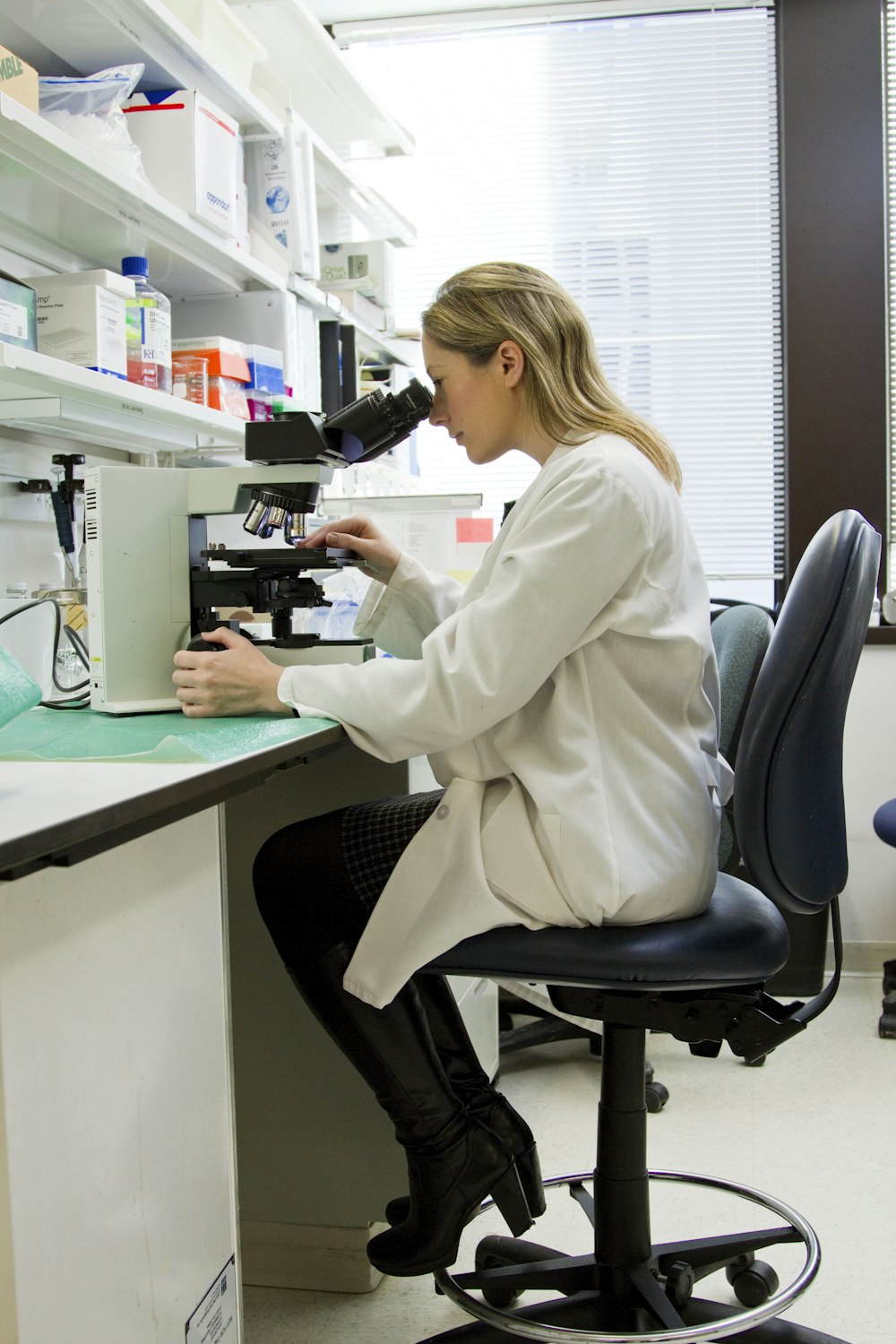
The Scientist's Toolkit: Key Research Reagents and Methods
| Reagent/Method | Function in Research |
|---|---|
| Modified f/2 media | Culture medium simulating natural marine conditions for growing Ostreobium strains 1 2 |
| Lysozyme incubation | Enzyme treatment to break down bacterial cell walls during DNA extraction 1 2 |
| Bead beating | Mechanical disruption method for breaking open tough bacterial cell walls 1 2 |
| 16S rRNA gene amplification (V5-V6) | Target gene region for identifying bacterial taxa through sequencing 1 2 |
| Illumina MiSeq platform | High-throughput sequencing technology for characterizing microbial communities 1 2 |
| CARD-FISH | Fluorescence technique for visualizing bacterial phylotypes within algal tissue sections 3 |
Implications for Coral Reef Survival
The discovery of phylosymbiosis in Ostreobium's bacterial relationships has profound implications for understanding and protecting coral reef ecosystems. Since Ostreobium appears to provide alternative energy sources to corals during bleaching events, its associated bacteria—with their nutrient cycling, vitamin production, and protective capabilities—likely contribute significantly to coral resilience 1 7 .
The specificity of these associations suggests they have evolved over long periods, potentially contributing to the holobiont's ability to withstand environmental fluctuations. However, the rapid pace of climate change may disrupt these delicate symbiotic relationships faster than they can adapt 4 .
| Ostreobium Strain/Environment | Dominant Bacterial Taxa | Environmental Influence |
|---|---|---|
| Culture strains (Pushpakumara et al.) | 34 core bacterial taxa including nitrogen cyclers, vitamin producers | Host phylogeny strongest influence 1 |
| Strains at varied salinities (Massé et al.) | Kiloniellaceae or Rhodospirillaceae (lineage-dependent) | Salinity changes shifted Rhizobiales abundances 3 |
| Natural skeleton samples | Similar core taxa as cultured strains | Validates ecological relevance of lab findings 1 |
Understanding the natural partnerships that exist in model systems like Ostreobium provides valuable insights for developing conservation strategies aimed at enhancing coral resilience in the face of climate change.
Conclusion: The Smallest Players with the Biggest Impact
The hidden world of Ostreobium and its bacterial partners reminds us that the survival of coral reefs depends not just on the organisms we see, but on countless microscopic interactions we're only beginning to understand. The discovery of phylosymbiosis in this coral skeleton alga reveals yet another layer of complexity in coral biology—an evolutionary dimension to microbial partnerships that underscores their importance.
As climate change continues to threaten coral ecosystems worldwide, understanding these intricate symbiotic relationships becomes increasingly urgent. The remarkable adaptability of Ostreobium, supported by its specialized bacterial microbiome, offers both hope and direction for future conservation efforts.
By appreciating and studying these microscopic alliances, we may discover new approaches to helping coral reefs withstand the unprecedented challenges they face.
References
References to be added manually in this section.