The Secret Garden Within: How Organic and Conventional Rice Hide a Microscopic World
Forget the husk—the real story of your rice begins in a hidden, inner ecosystem teeming with microscopic life.
Introduction: More Than Just a Seed
When you look at a grain of rice, you see a staple food for billions. But scientists are now revealing it as something far more complex: a miniature ecosystem. Deep within the seed, living between its very cells, exists a bustling community of bacteria and fungi known as the endophytic microbiome. These microscopic inhabitants aren't just along for the ride; they are crucial partners, helping the plant resist disease, survive drought, and absorb nutrients.
The big question is: does how we farm the rice—conventional with synthetic fertilizers and pesticides, or organic with natural inputs—shape this hidden world? A groundbreaking study, using the twin powers of genetic sequencing and old-fashioned culturing, set out to find the answer .
Did You Know?
A single rice seed can host thousands of different microbial species, creating a complex ecosystem that influences the plant's health and resilience.
Unpacking the Jargon: Your Guide to the Inner Seed
Before we dive in, let's get familiar with a few key concepts that will help you understand the fascinating world inside rice seeds.
Endophyte
Literally meaning "inside the plant" (from Greek endo = inside, phyte = plant). These are bacteria or fungi that live within a plant for all or part of its life without causing disease. Think of them as friendly internal roommates.
Microbiome
The entire community of microorganisms (bacteria, fungi, viruses) living in a particular environment—in this case, the inside of a rice seed.
Amplicon-Based Sequencing
A powerful DNA "fingerprinting" technique. Scientists can take all the microbes from inside a seed, read a unique piece of their DNA (like scanning a barcode), and identify exactly who is there, without having to grow them in a lab.
Culturing Methods
The classic approach. Scientists grind up the seed and smear it on a nutrient-rich petri dish to see what grows. This allows them to isolate and study individual microbial strains.
The Great Rice Experiment: A Tale of Two Methodologies
To truly understand the seed's secret garden, researchers designed a clever experiment comparing seeds from adjacent farms using conventional and organic practices .

Step 1: Seed Sourcing
Rice seeds collected from matched pairs of conventional and organic farms

Step 2: Sterile Surface Clean
Seeds rigorously surface-sterilized to remove external microbes

Step 3: DNA Extraction & Sequencing
Genetic material analyzed to identify microbial communities
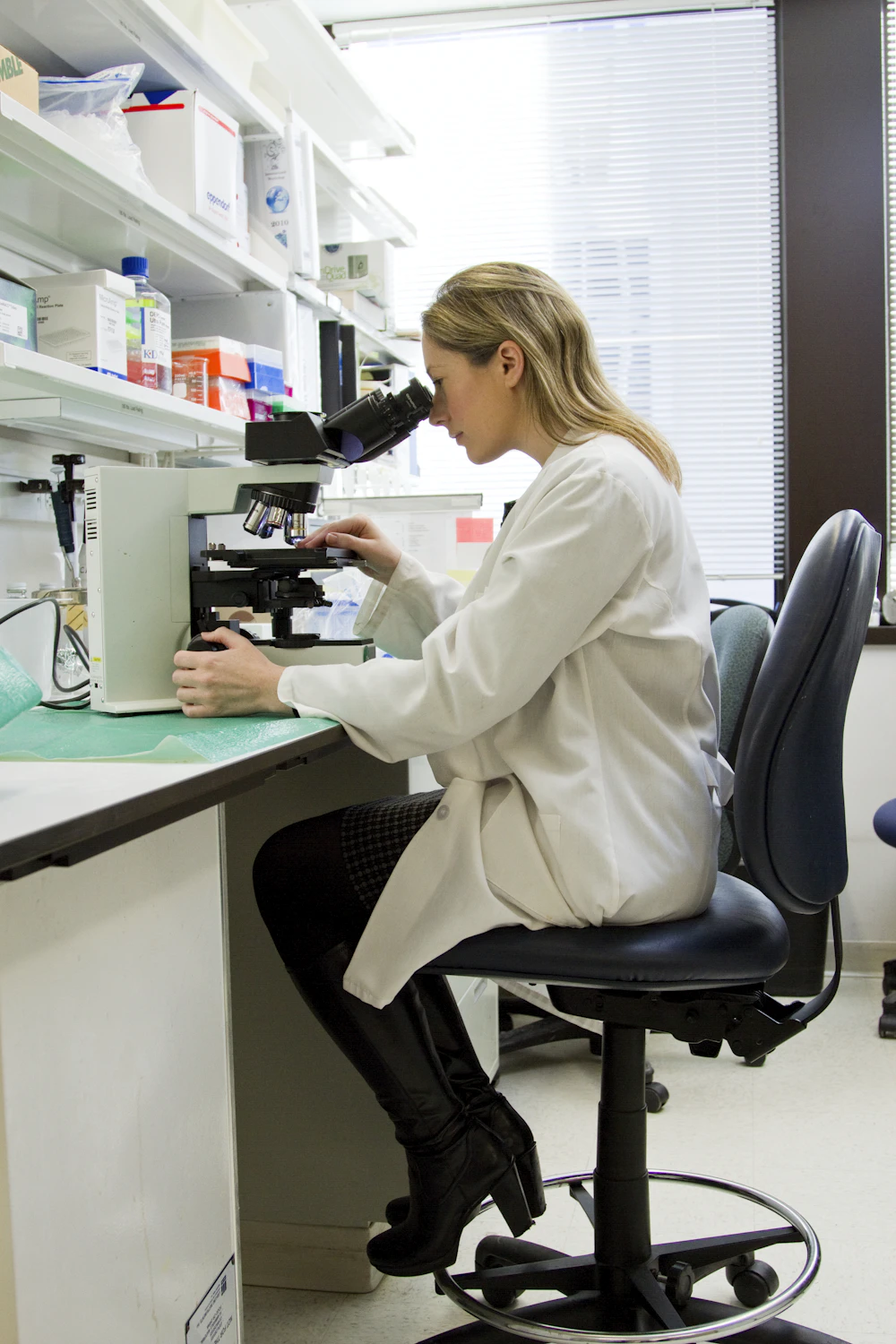
Step 4: Microbial Culturing
Microbes grown on nutrient media to study individual strains
The Step-by-Step Detective Work
- Seed Sourcing: Rice seeds were carefully collected from matched pairs of conventional and organic farms.
- Sterile Surface Clean: To ensure they were only studying microbes inside the seed, the seeds were rigorously surface-sterilized.
- The Two-Pronged Attack: Using both DNA sequencing and microbial culturing methods.
- Data Crunching: Analyzing genetic data and testing cultured isolates for beneficial traits.
Research Methodology
DNA Sequencing
Identifying microbial communities through genetic analysis
Microbial Culturing
Growing and studying individual microbial strains
Revealing the Results: A Divergence in the Microbial Metropolis
The findings painted a clear and fascinating picture: the farming method fundamentally reshapes the seed's internal microbiome .
Greater Diversity
Organic rice seeds consistently showed a greater diversity of bacterial species, creating a more resilient ecosystem.
Balanced Community
Organic seeds had a more even distribution of microbial genera, while conventional seeds were dominated by a few types.
Enhanced Benefits
Bacteria from organic seeds exhibited more plant-beneficial traits like nitrogen fixation and antifungal activity.
Comparative Analysis
Bacterial Community Structure
| Feature | Conventional Rice | Organic Rice |
|---|---|---|
| Alpha-Diversity (Within-Sample) | Lower | Higher |
| Dominant Genera | Pseudomonas, Pantoea | Methylobacterium, Sphingomonas, Bacillus |
| Community Evenness | Less even (a few genera dominate) | More even (many genera co-exist) |
Beneficial Traits of Bacterial Isolates
Relative Abundance of Key Bacterial Genera
| Bacterial Genus | Role/Function | Conventional Seeds | Organic Seeds |
|---|---|---|---|
| Pseudomonas | Can be beneficial or pathogenic | 35% | 15% |
| Methylobacterium | Promotes plant growth | 5% | 18% |
| Bacillus | Bio-fertilizer, biocontrol | 8% | 22% |
| Sphingomonas | Degrades pollutants, supports health | 7% | 14% |
The Scientist's Toolkit: Peering into the Micro-Cosmos
So, how do researchers unlock these secrets? Here's a look at the essential toolkit used in this groundbreaking research.
Surface Sterilants
The "bouncers" of the experiment. They eliminate all microbes on the seed's surface, ensuring only the internal endophytes are studied.
DNA Extraction Kits
The "blenders and sorters." These chemical solutions break open plant and microbial cells and purify the DNA, making it ready for sequencing.
PCR Primers (16S rRNA)
The "molecular copy machines." These short DNA sequences target and amplify the universal "barcode" gene found in all bacteria.
Culture Media
The "microbial buffet." A nutrient-rich gel in a petri dish that provides food for specific microbes to grow.
Research Process Visualization
Conclusion: Sowing the Seeds for a Healthier Future
This journey into the heart of a rice seed reveals a profound truth: our agricultural choices reach far deeper than the soil.
By opting for organic methods, we may be nurturing a more diverse, robust, and beneficial community of microbial partners right inside the seed itself. These internal allies are then passed to the next generation, potentially equipping the young plant with better tools to grow strong and resist stress.
This research doesn't just solve a microscopic mystery; it opens a new frontier for sustainable agriculture. Understanding these hidden relationships could lead to designing "probiotic" seed treatments, reducing our reliance on chemical inputs, and ultimately, growing healthier food from the inside out.
Looking Forward
Future research could explore how these microbial communities change throughout the plant's lifecycle and how they interact with soil microbiomes to enhance crop resilience.
The next time you enjoy a bowl of rice, remember—you're not just eating a grain, but an entire, vibrant, microscopic world.